As a clinical psychologist explains, excessive smartphone and social media use can lead to dopamine addiction, hijacking the brain's reward system and diminishing natural pleasure.
Dr. Cameron Sepah, PhD in clinical psychology and executive coach helping leaders boost efficiency while reducing stress (per his LinkedIn profile), detailed this in his August 7, 2019 article. He highlights how smartphones trigger the brain's reward circuit, fostering dopamine addiction.
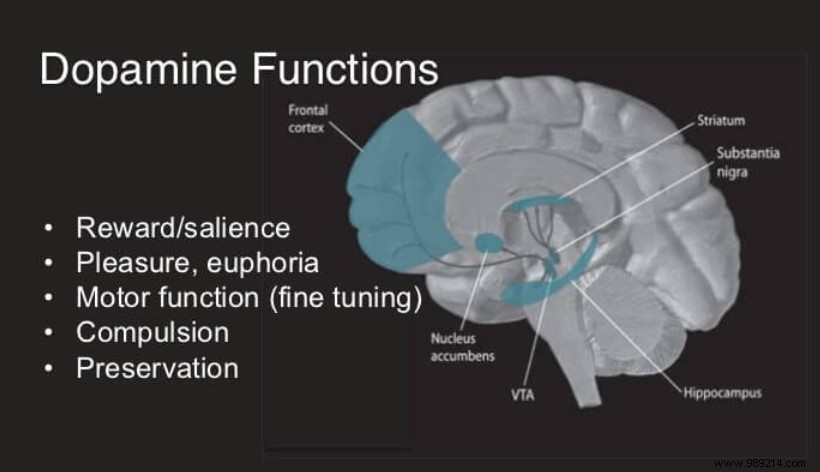
Prolonged use desensitizes users to dopamine, the neurotransmitter linked to pleasure. In essence, overreliance on smartphones and social media leaves people feeling blasé and less responsive to everyday joys.
Dr. Sepah advocates dopamine fasting—a practice often misreported. As noted in a Business Insider article from October 3, 2019, he clarified that media distorted his advice, suggesting dopamine levels exceed a "norm" dangerously.
His focus: curbing excessive smartphone and social media consumption in the U.S., where some spend over 10 hours daily on devices chasing quick entertainment. This erodes dopamine sensitivity, leading to poor focus, attention deficits, and stimulus overload.
Drawing parallels to drugs like cocaine and methamphetamine—which bind to dopamine receptors like a key in a lock, causing downregulation over time—Dr. Sepah warns of similar effects. A January 2019 Michigan State University study supports this, equating heavy social media use to drug addiction.
Related Articles:
