Excessive salt intake is linked to serious health risks, including cardiovascular disease, osteoporosis, and kidney issues. Understanding how to manage your consumption is key to safeguarding your well-being.
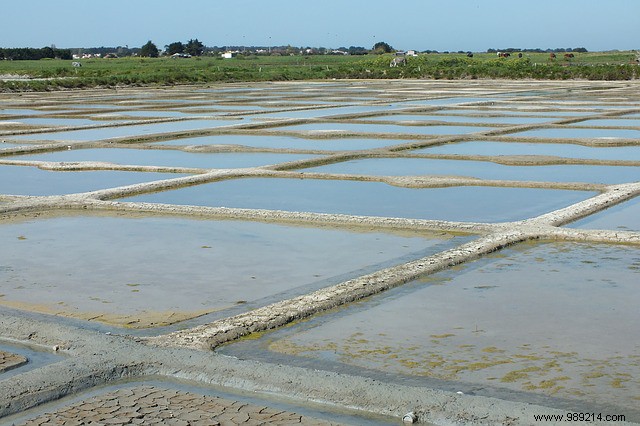
Salt has been used since the Middle Ages primarily to enhance food flavor. Sourced from marine salt marshes or rock salt deposits, it's essential for bodily functions but must come from our diet since the body doesn't produce it. Salt contains key minerals, notably sodium.
Sodium plays a vital role in maintaining hydration, present in blood and extracellular fluids surrounding cells. It helps transport nutrients into cells. Once inside, sodium must be expelled to prevent cell swelling—here, potassium steps in, using cellular "pumps" to facilitate its removal.
Achieving a healthy sodium-to-potassium balance is crucial for regulated blood pressure and overall health. The goal in modern diets: reduce sodium while ensuring adequate potassium intake.
Today's diets often feature excessive salt, disrupting the sodium-potassium equilibrium and raising risks for high blood pressure, cardiovascular disease, stomach cancer, and osteoporosis.
To mitigate these, the World Health Organization (WHO) advises adults to limit intake to 5 grams of salt daily—equivalent to 2 grams of sodium. For children, needs vary based on age, weight, height, and activity levels.
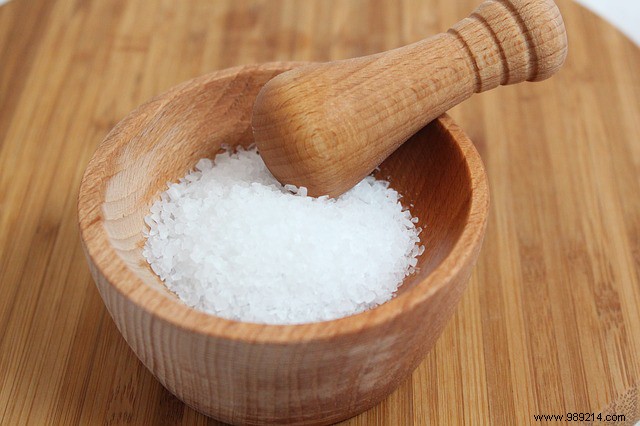
Sodium occurs naturally in foods, but processed items like chips and aperitif cakes are major sources. Opt for fresh vegetables without added salt, lean poultry, or fresh fish over packaged meats. Flavor dishes with herbs and spices instead of salt.
To increase potassium, prioritize vegetables like spinach, broccoli, squash, and cabbage; fruits such as dried apricots, pineapple, citrus, and bananas; nuts like hazelnuts and almonds; and legumes including lentils, dried peas, and beans.
