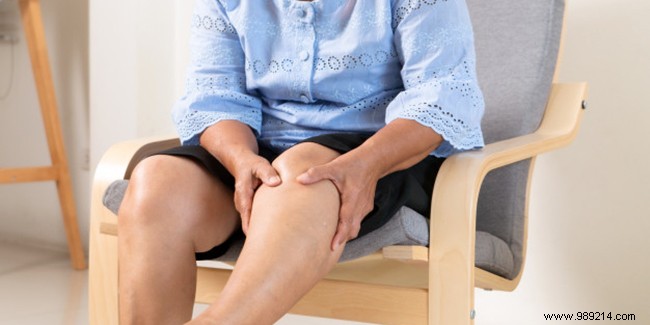
Water makes up the majority of our body and is essential for overall health. However, disruptions in fluid regulation can lead to circulation issues and poor evacuation, causing water retention. This often manifests as edema, particularly swollen legs, feet, calves, and ankles. Drawing from established medical insights, these symptoms stem from both internal physiological factors and external influences. Here are six key causes of fluid retention and leg swelling.
Hormonal fluctuations throughout life can trigger water retention anywhere in the body. Women are especially prone during pregnancy or menopause, as these shifts affect fluid balance.
Conditions like chronic heart failure, phlebitis, or venous insufficiency impair blood flow, leading to fluid buildup and leg swelling. Similarly, kidney or liver diseases can cause water to accumulate in vessels, resulting in edema in the lower limbs.
While often linked to internal issues, external factors like heat can exacerbate water retention. High temperatures dilate blood vessels, allowing fluid to leak into surrounding tissues and cause swelling, or edema. Those susceptible should avoid hot environments and direct sun. Elevating legs or applying cold water to calves can provide relief.
A diet high in salt disrupts fluid circulation, promoting accumulation—especially in the legs. Excess sugar and low protein intake can have similar effects, worsening retention.
Lack of movement or prolonged sitting hinders muscle function, which normally aids fluid circulation. This is common in older adults with reduced mobility. Regular activity, like walking for seniors, helps prevent stagnation in the lower limbs and reduces swelling.
Drugs for hypertension, diabetes, hormonal therapies, or anti-inflammatories can disrupt fluid regulation as a side effect, leading to retention in the legs, ankles, and calves.
