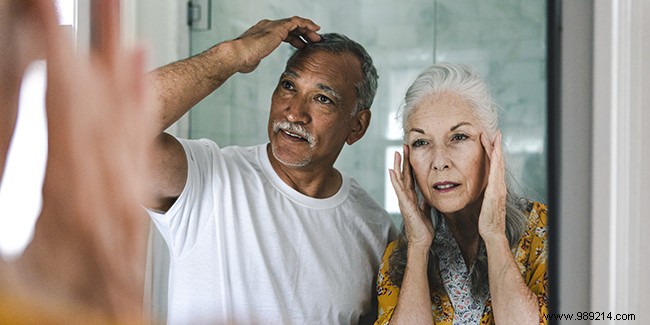
For many, aging is a sensitive topic, often viewed negatively in a society that glorifies youth—prioritizing beauty, vitality, and peak performance. Even as lifespans extend and health improves, it's completely valid to struggle with this transition, especially amid physical and health changes. Drawing from psychological insights and real-life experiences, here are proven strategies to navigate this milestone and accept the passage of time with grace.
Retirement can bring profound frustration for some seniors, marking the end of professional routines and social interactions—no more colleagues, meetings, or client engagements. This shift risks isolation, inertia, and withdrawal, fueling resentment toward aging and the loss of a once-vibrant lifestyle that affirmed one's place in society.
To counter this, prioritize staying socially connected. Join associations, sports or cultural clubs, or volunteer—whatever keeps you engaged. Nurture family ties and friendships, especially cherishing time with grandchildren: share family stories, create memories, and watch aging feel far less daunting.
Incorporate cultural and intellectual pursuits to keep your mind sharp and youthful. Aging offers a chance to reinvent: explore new hobbies, shed outdated habits, and craft a fulfilling life attuned to your evolving body and spirit.
Resistance to aging often stems from rejecting physical changes—like wrinkles or reduced stamina—leading some to cosmetic fixes or denial of bodily limits, including occasional cognitive slips.
True acceptance involves embracing transformation. With years of wisdom, you can emerge more authentic: open-minded, dynamic, patient, and resilient. Aging refines us, distilling experience into a more contented self.
It's natural to dread aging, with deeply personal reasons at play. While lifestyle changes help many, unresolved issues may require professional support.
Psychologists and psychiatrists offer invaluable psychotherapy to unpack these feelings, foster acceptance, and guide you forward. No matter your age, their expertise can illuminate why aging feels so challenging and empower lasting well-being.
