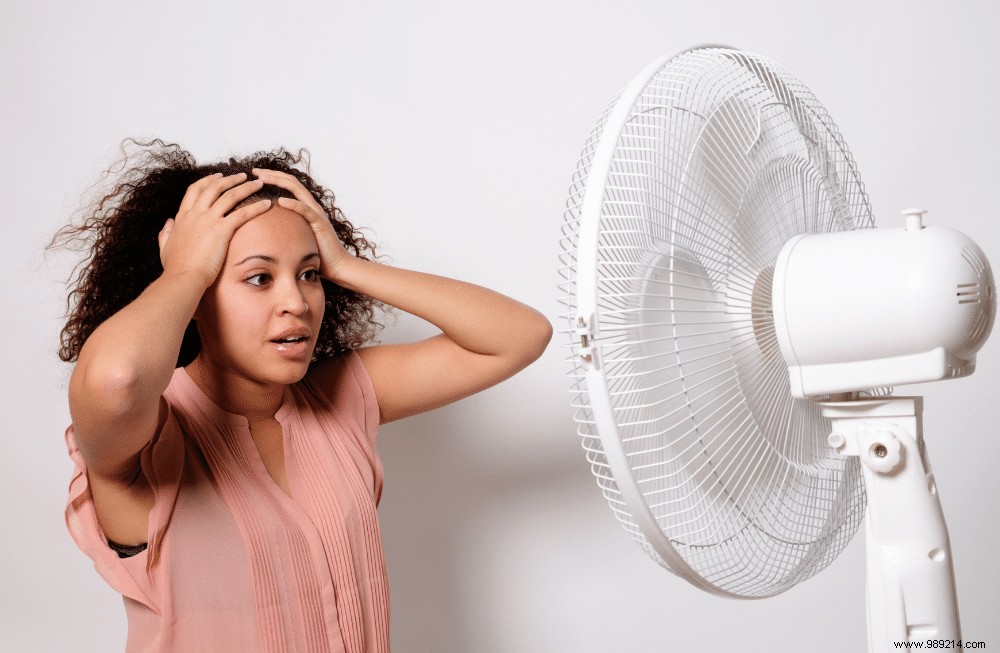
With warmer weather comes the risk of heatwaves. Protect yourself from heatstroke by adopting these proven strategies backed by health authorities.
In summer, high temperatures heighten risks of dehydration, sunstroke, and sunburn. Limit sun exposure, especially midday, and seek indoor shade when possible. Here's how to stay cool wherever you are.
Shield your head with a hat, cap, or bucket hat. Opt for lightweight cotton clothing and apply high-SPF sunscreen.
Cool off with a barefoot beach walk in the water. Enjoy the sea breeze under an umbrella, or treat yourself to ice cream.
Without coastal breezes, check for nearby supervised lakes. Otherwise, rest under trees—their shade and evaporation (up to 450 liters of water daily, equivalent to 5 air conditioners) provide natural cooling.
Visit cool monuments or castles. Beware of hydrocution: Avoid sudden immersion after sun exposure; enter water gradually, wetting torso, neck, and head first.
Head to shaded parks or "cool islands" in revegetated areas—Paris offers a dedicated map. Seek air-conditioned spots like malls for shopping, museums for exhibits, or cinemas for movies.
Drink water regularly during heatwaves, especially for at-risk groups.
Offer water frequently, cool their face, temples, and neck with a damp cloth. Dress in light-colored cotton; bathe at 35°C.
Thirst sensation diminishes with age—hydrate proactively. Spend 2-3 hours daily in air-conditioned spaces, use a mist sprayer, and check on them often.
Ventilate early mornings, close shutters to block heat, and hang wet sheets at windows. Dry laundry indoors for evaporative cooling or relocate your bed to the coolest room. Upgrade to efficient cooling fans.
Avoid exercise above 30°C to prevent hyperthermia (heatstroke)—symptoms include headaches, nausea, dizziness. Schedule activities for mornings or evenings; hydrate before, during, and after.
Your body is 60% water; heat increases sweat loss. Drink before thirst strikes to prevent dehydration.
Dehydration signs: Thirst, dry lips, headaches, fatigue, vomiting. Stop, seek shade, drink and splash water (not ice-cold). Call 112 for emergencies—Europe's free number. Consult professionals via telehealth if needed.
Hot beverages induce sweat for cooling but risk dehydration. Cold stops sweating, trapping body heat. Lukewarm (12-14°C) is ideal for hydration and refreshment.
As heatwaves intensify with climate change, adopt these reflexes to safeguard health and ease healthcare strain. Stay informed: France's heatwave hotline is 0800 06 66 66.
Source:
https://solidarites-sante.gouv.fr/sante-et-environnement/risques-climatiques/article/vagues-de-chaleur
https://www.pompiers.fr/grand-public/prevention-des-risques/prevention-des-risques-lies-aux-fortes-chaleurs?gclid=CjwKCAjwoZWHBhBgEiwAiMN66YK83uuuoIBHt5gImmKvsamw6Xq26RfmYFk4DPkZPABRHaX4M8XTkxoCVjIQAvD_BwE
https://www.futura-sciences.com/sante/questions-reponses/hygiene-vie-faut-il-boire-chaud-il-fait-chaud-6238/
