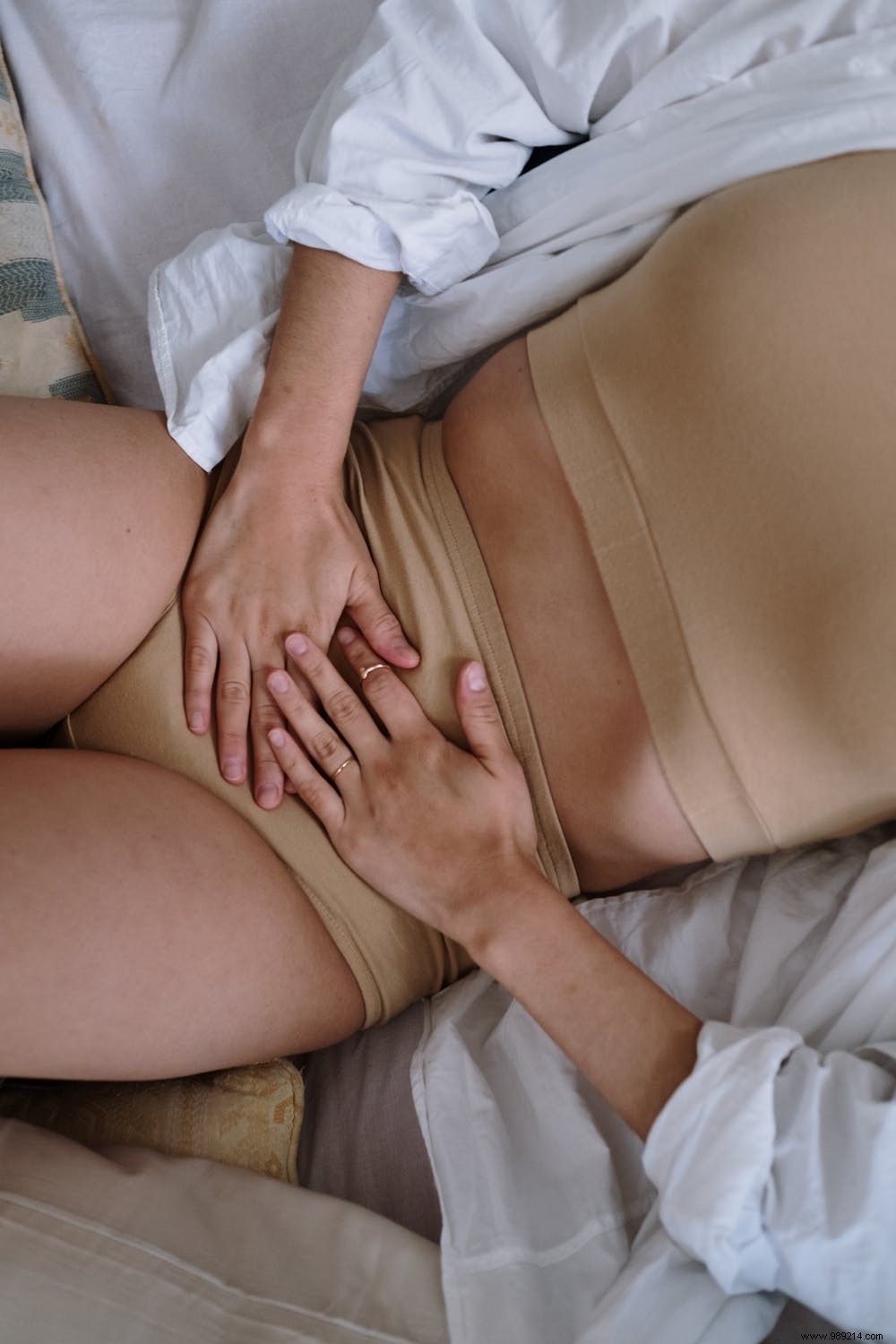
Many women approach menopause with apprehension, but it's often unfounded. Only a small percentage experience symptoms severe enough to disrupt daily life, while most notice milder effects. As a natural milestone every woman reaches, menopause marks the end of menstrual cycles and a shift in hormone levels.
The most common complaints include night sweats, headaches, mood swings, and hot flashes. Research shows about 80% of women encounter hot flashes to varying degrees during this phase. Experts believe fluctuating hormones trigger sudden body temperature spikes, causing these episodes.
Daytime hot flashes can feel embarrassing, prompting many to switch to layered, lightweight clothing instead of heavy sweaters. At night, a thick duvet may become too warm—opt for breathable cotton sheets instead. Identifying triggers like coffee or spicy foods can help; avoiding them often reduces frequency.
Ocular migraines, another frequent perimenopausal issue, remain poorly understood but are linked to estrogen fluctuations. Symptoms include blurred vision, light flashes, double vision, or dark spots, potentially leading to fatigue, nausea, or headaches. These may precede full migraines or occur independently, with stress as a common aggravator. Proven strategies include prioritizing rest, regular exercise, a balanced diet, quitting smoking, and limiting caffeine.
Women nearing menopause may face hot flashes, ocular migraines, sleep disturbances, reduced libido, vaginal dryness, weight gain, incontinence, hair loss, depressive moods, irritability, joint pain, muscle tension, dry skin, and more. While daunting, these don't affect everyone equally—or at all.
Far from a crisis, menopause is a normal period of adaptation as estrogen levels decline and the body seeks new equilibrium. Many women report newfound mental freedom: older children leave home, creating more personal time, and the end of periods brings relief. Though challenging for some, acceptance often leads to a liberating new chapter.
Read also: This is what happens in your head during menopause
Image: Pexels / This is a partner contribution
