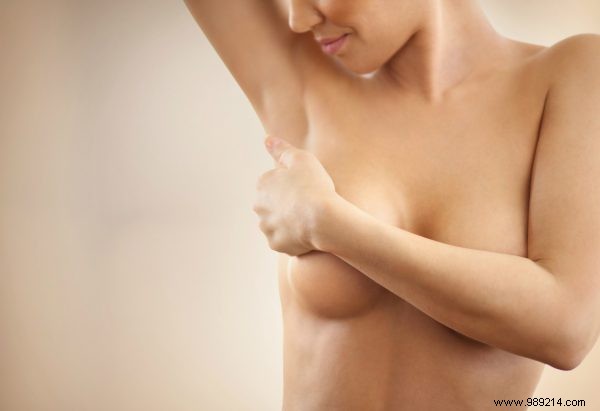
Do you perform regular breast self-exams to monitor for changes? Knowing the key signs can empower you to detect breast cancer sooner. These clear illustrations highlight symptoms worth discussing with your doctor.
Breast cancer affects about 1 in 8 women in their lifetime. Self-awareness allows you to identify potential changes early, prompting timely medical evaluation.
Read also: 'MRI research can detect breast cancer earlier'
These straightforward drawings illustrate when to seek professional advice:
One of the most common breast cancer symptoms is a lump or thickening in the breast or underarm. Feel for anything unusual and consult your doctor promptly. Other changes warrant attention too.
Fluid from the nipple is normal during breastfeeding, but any discharge outside of lactation requires further investigation.
A dent or puckering in the breast skin can signal an underlying issue, such as breast cancer.
While tenderness around your period is common, new or persistent pain unrelated to your cycle merits a check-up.
A nipple that pulls inward or changes shape suddenly may indicate a problem.
Unusual redness or discoloration on the breast skin is a potential red flag.
Wrinkle-like skin, unusual dryness, or asymmetry between breasts should prompt a doctor's visit.
Swollen lymph nodes under the arm or near the collarbone can occur when cancer spreads—get it examined.
Sudden swelling in the breast or armpit area is another sign that needs professional assessment.
