Eggs are a nutritional powerhouse, but misconceptions persist. Egg enthusiasts, test your knowledge against these five widespread myths backed by poultry science and food safety expertise.
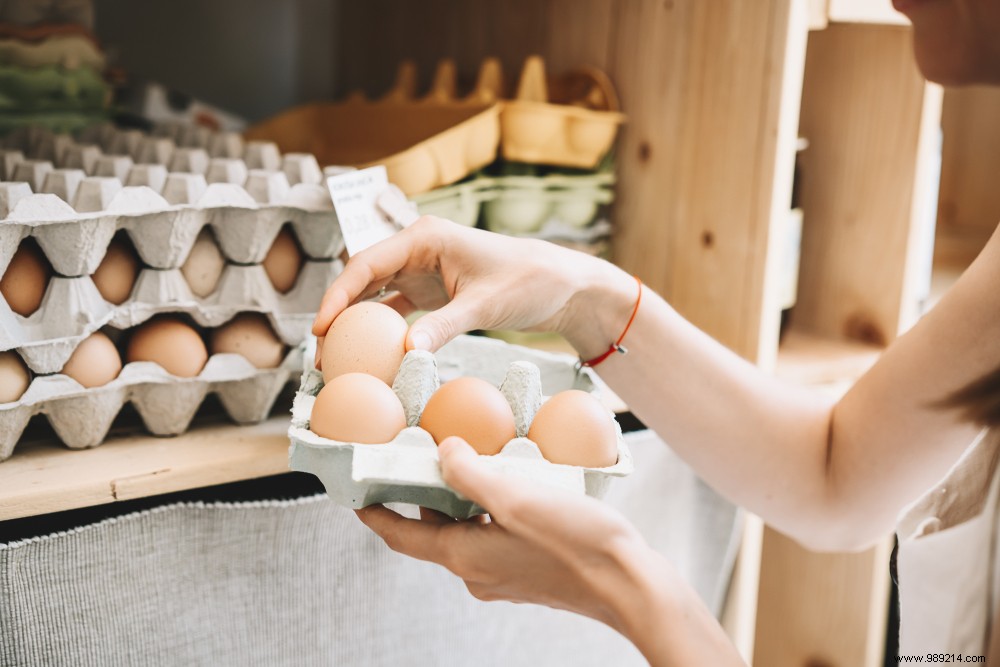
The shell's color stems from the hen's breed—some even lay blue or green eggs. This genetic trait has no bearing on nutritional value, quality, or taste.
Read also: ‘Facts and fables about olive oil’
Many eggs lack a 'best before' date, but a simple buoyancy test works reliably. Submerge the egg in a bowl of water: if it sinks immediately, it's fresh; if it floats, discard it. Over time, air enters through the porous shell, causing this change.
Shell thickness reveals much about the hen's diet and health—the thicker, the better nourished the bird. Interestingly, smaller eggs often have thicker shells, making them easier to peel after hard-boiling.
Egg cartons are engineered to absorb shocks, prevent breakage, and block fridge odors. The door spot exposes eggs to temperature swings from frequent openings, shortening shelf life. Store cartons on a stable middle shelf instead.
Yolk color varies with the hen's diet—pale yellow from basic feed, deep orange from nutrient-rich, free-range sources like grass and insects. Darker yolks signal superior nutrition.
Subscription to a magazine of your choice + Collistar gift set for only €19.95
The subscription ends automatically
YES, I WANT THIS!
