Experiencing frequent headaches, asthma symptoms, or poor sleep? Indoor air quality could be the hidden culprit. As health experts have long noted, simple changes can dramatically freshen your home environment and improve well-being.
The simplest and most effective way to improve indoor air is regular ventilation. This clears out moisture from dishwashers or bathrooms, as well as heat from ovens and microwaves. Studies show one in ten homes has mold, nearly half contain tobacco smoke residues, and many have higher particulate levels than outdoors.
Read also: 'Protect your houseplants from the heat with these precautions'
Make it a daily habit: Open your bedroom window each morning and air out the living room at least once a day, such as right after dinner. Consistency turns it into routine.
Essential oils capture plants' oxygen-boosting properties to purify indoor air. Pine family oils, rich in monoterpenes (natural compounds found in pine trees), offer antibacterial effects. Research from Serbia confirms these molecules target microorganisms like fungi effectively.
Place a tissue with a few drops of oil on your heater for easy diffusion. Alternatively, pick up essential oil-based air sprays from pharmacies—their atomizers distribute the benefits evenly throughout the room.
When windows aren't an option, a combined air purifier and humidifier is invaluable. HEPA-style filters capture nearly all particles over 0.3 micrometers, while photocatalytic filters neutralize toxins, viruses, and bacteria. Ionization adds negative ions to make dust settle, markedly enhancing air quality.
Available at major electronics retailers, opt for a 2-in-1 model to avoid drying out the air. This combo delivers comprehensive purification tailored to your needs.
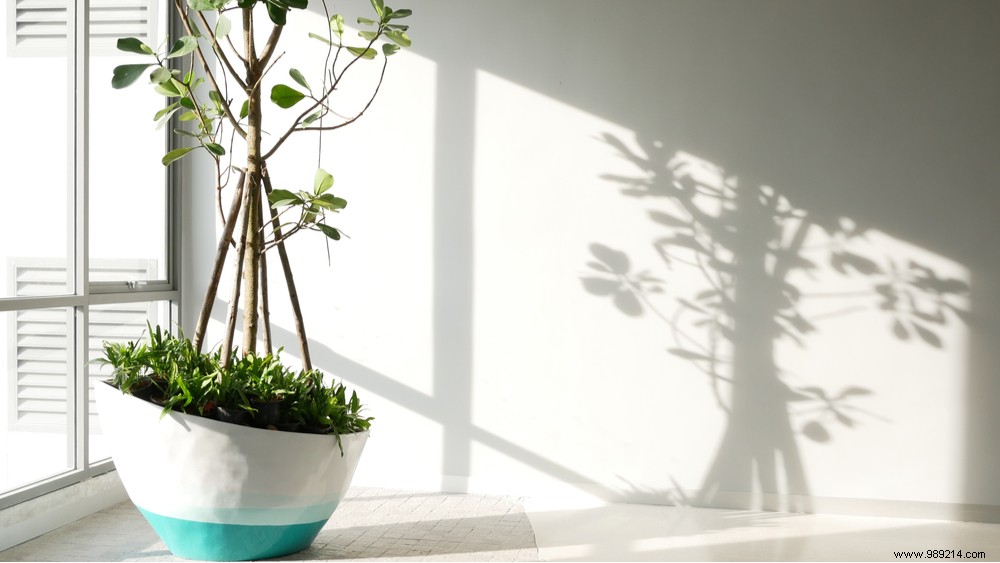
Certain houseplants excel at filtering toxins like formaldehyde, xylene, and ammonia—common in cleaning products. Just one plant per 100 square meters can significantly purify your space, backed by environmental science.
Start with Aloe Vera: It thrives in sunny spots with minimal watering every few weeks. Brown spots signal polluted air, making it a natural indicator. Top air-cleaning companions include ivy, Sansevieria (snake plant), and golden palm.
Source: Sante June 2017 Text: Mara Ruijter
