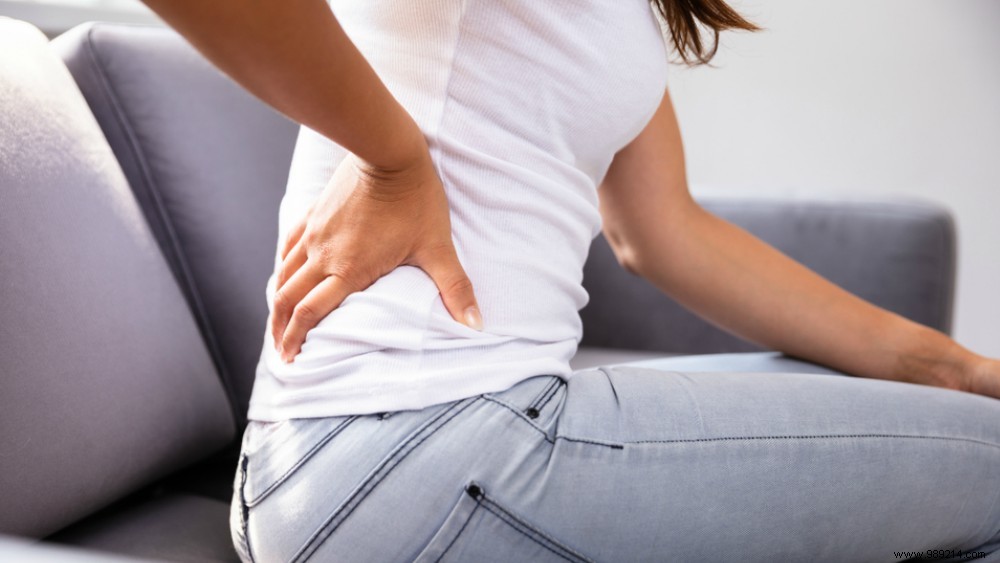
Lower back pain affects millions, often disrupting daily life and mobility. Drawing from Santé magazine's expert insights, here are four practical, evidence-based solutions to help you find relief.
Rest might seem intuitive during back pain flare-ups, but it can worsen the issue. Limited movement leads to poor circulation, weakened back muscles, stiffness, and increased risk of obesity—all back pain contributors.
Aim for at least 30 minutes of gentle exercise daily, such as walking, swimming, or cycling—activities particularly beneficial for the back. Build up gradually to avoid straining muscles, and pair with a balanced diet to maintain a healthy weight.
Read also: '3 reasons to train your back muscles'
Back pain isn't solely physical; stress often plays a key role. It triggers muscle tension that manifests as pain, even if unnoticed.
Prioritize self-care: try yoga, reading, or mindfulness practices. Regular exercise and nutritious eating (as in tip 1) also combat stress, addressing multiple factors at once.
Poor posture, especially prolonged desk work with a slouched back, is a common culprit. Orthopedic cushions offer targeted ergonomic support.
An orthopedic seat cushion promotes proper alignment, easing lower back pressure—ideal for office chairs, long flights, or train rides. A knee pillow is another essential: it aligns your pelvis and lower back during sleep, preventing knee pressure and potential pain.
Ice reduces inflammation and numbs pain, while heat relaxes tight muscles and boosts blood flow. Both are valuable for lower back pain management.
For the first few days, apply ice packs to sore areas for up to 20 minutes several times daily, always wrapping in a cloth to protect your skin. After that, switch to heat via patches or warm showers.
If pain lingers beyond a few weeks or becomes severe, consult your doctor promptly.
Source: Santé November 2018 | text: Mara Ruijter
