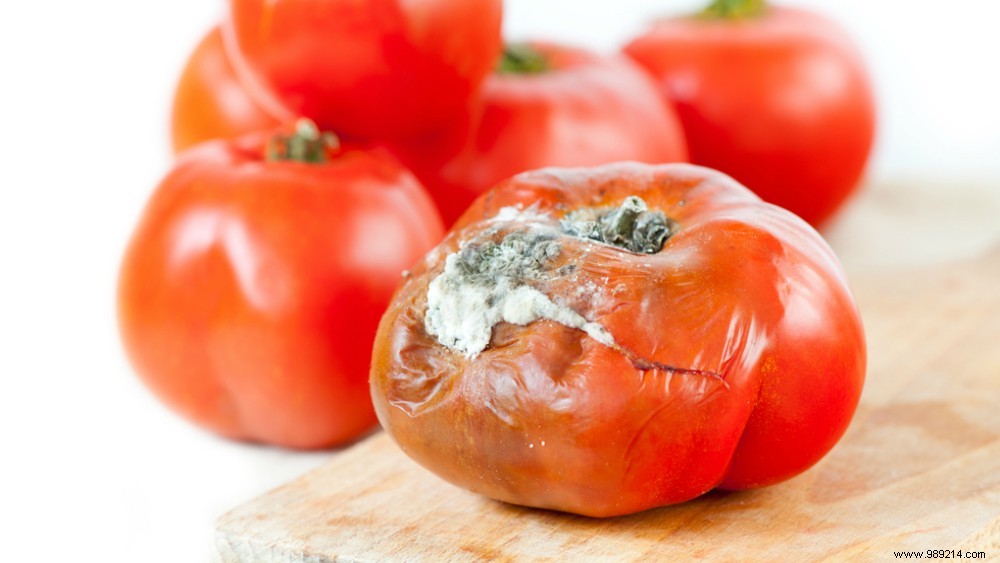
Is moldy food always a lost cause, or can you safely salvage the unaffected parts? As food safety experts recommend, it depends on the type—here's what you need to know based on established guidelines.
Hard cheeses are resilient. Simply cut out the moldy section generously—at least 1 inch (2.5 cm) around and below the mold—and the remaining cheese is safe to eat. Crucially, avoid letting your knife touch the mold to prevent cross-contamination.
Read also: ‘Do the best-before date on the packaging of long-life products have to be abolished?‘
Bread is different due to its high moisture content, allowing mold roots (mycelium) to spread invisibly. Even if only a spot is visible, discard the entire loaf to avoid health risks.
Firmer produce resists mold penetration better than soft items. For carrots or sweet potatoes, cut away the moldy area generously, and the rest is edible. Softer fruits like raspberries should be thrown out entirely.
