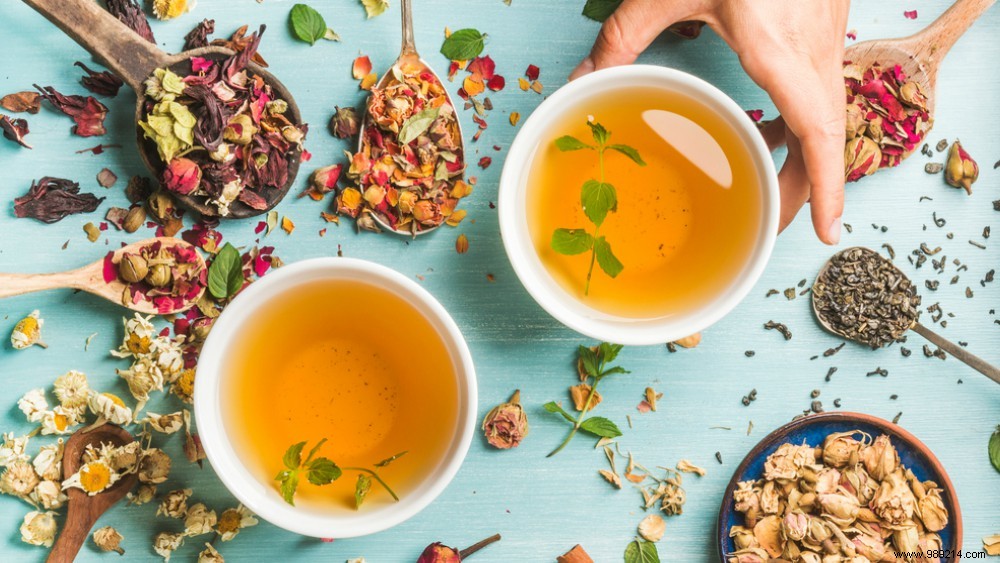
Herbal remedies may seem safe and natural, but certain popular herbs can interact harmfully with medications, potentially leading to serious health risks.
The Medicines Evaluation Board (MEB), a trusted authority on drug safety, has identified 10 widely used herbs that should not be combined with specific medicines. These interactions can prevent proper drug absorption or accelerate breakdown, sometimes resulting in life-threatening situations.
MEB Chairman Prof. Dr. Ton de Boer warns: "Herbs may seem harmless, but they are not always so. The combination of medicines and herbal products is sometimes dangerous. It is therefore important that drug users know what the risks are and that they always inform their healthcare provider."
Read also: Can you freeze fresh herbs?
For instance, St. John's wort and turmeric can speed up the breakdown of cancer medications, reducing their effectiveness. St. John's wort also interferes with antidepressants. Meanwhile, ginseng and ginkgo can affect blood clotting, heightening thrombosis or stroke risk when taken with blood thinners.
The MEB highlights these 10 herbs with known interactions:
Visit the MEB website to learn more about specific herb-medication interactions and protect your health.
