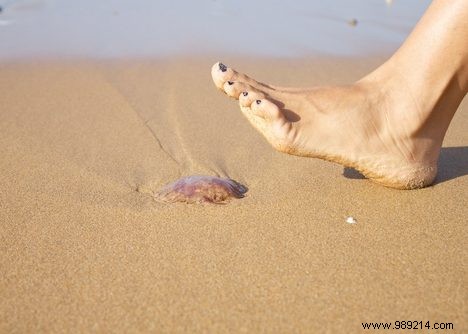
Stung by a jellyfish? Learn the right steps to take and get the facts straight—including whether peeing on the sting actually helps.
1. Do jellyfish bite? The common term 'jellyfish bite' is a misnomer. Jellyfish don't bite; their tentacles deliver a venomous sting that causes redness, pain, itching, or burning on the skin.
2. Are jellyfish stings dangerous?
Most jellyfish stings are harmless. However, some tropical species like the Australian box jellyfish (sea wasp) are highly venomous. Multiple stings, allergies, or severe cases can lead to nausea, dizziness, breathing difficulties, or vomiting.
3. When should you seek medical help?
Consult a doctor if stung by a potentially venomous jellyfish, if the sting is severe, or if you experience symptoms like those above—you may have an allergic reaction.
4. How do you treat a jellyfish sting?
5. Does peeing on a jellyfish sting help?
This is a persistent myth with no scientific backing, though some swear by it anecdotally.
