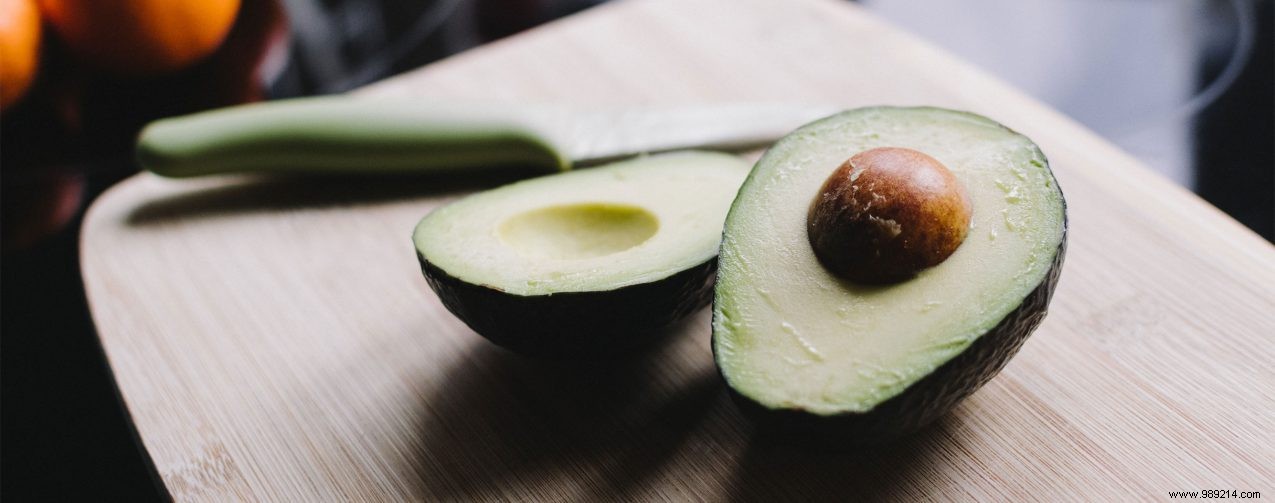
Recently, you've likely spotted claims online that avocado seeds are not only edible but packed with nutrients. But is eating them a smart choice? Registered nutritionist Anita Mulderij shares her evidence-based perspective.
Anita Mulderij: 'Beyond the creamy green flesh we love in salads and on toast, the avocado pit has gained attention lately. Some say it's even more nutrient-dense than the fruit itself. People suggest drying, slicing, and grinding it into powder for smoothies or baking to boost health. But is this backed by science? Let's explore why eating avocado seeds might not be advisable.'
Avocado fruit vs. seeds
Avocados are renowned for their healthy fats, minerals, antioxidants, vitamins, and fiber. Internet articles often claim the pit surpasses the flesh in benefits. However, while studies have analyzed the seed's nutrients, caution is warranted. Insufficient research exists on its safety for human consumption.
What's the nutritional profile?
Claims about the seed's benefits are premature. Most studies examine extracts, not the whole seed you'd consume. Far more research is needed to confirm safety and efficacy for everyday use.
Not recommended for eating
Beyond limited data, avocado seeds contain compounds unsuitable for human intake. Not everything natural is safe—our ancestors ate only the flesh, without tools to process pits. For now, the prudent choice is to enjoy the creamy fruit and skip the seed.
This article is contributed by nutritionist Anita Mulderij from JasperAlblas.nl. Also read her article: Do you eat more when stressed?
