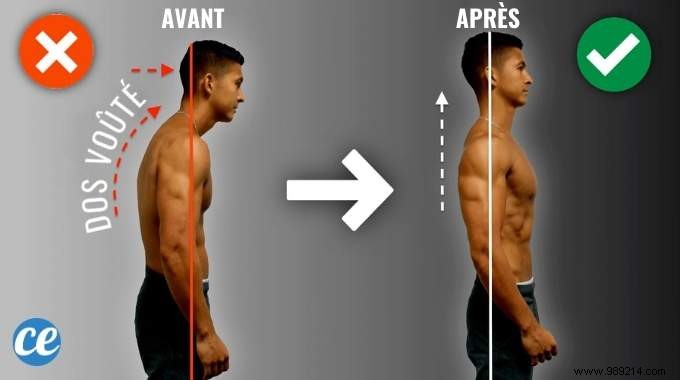
Do you have a hunched back? It's often caused by slouching in front of computer screens, prolonged driving, sports activities, or constantly staring at your smartphone while standing all day.
This poor posture leads to shoulders rounding forward and the head jutting out, weakening your upper body alignment.
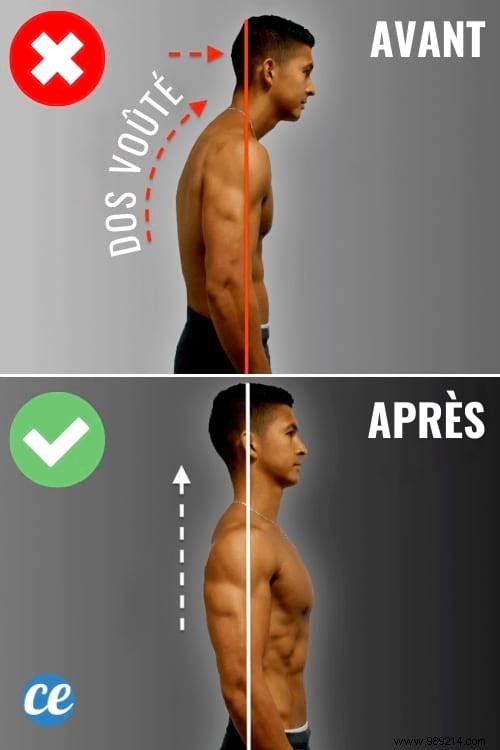
The consequences are serious: neck pain, headaches, lower back discomfort, and reduced blood circulation. Experts warn that it can even develop into "upper crossed syndrome," where chest, neck, and shoulder muscles become tight and imbalanced.
Fortunately, targeted exercises and stretches can strengthen the right muscles and restore proper posture for men, women, and teens alike. As physical therapists recommend, consistency is key. Here are 6 effective exercises to correct your hunched back. Follow along:
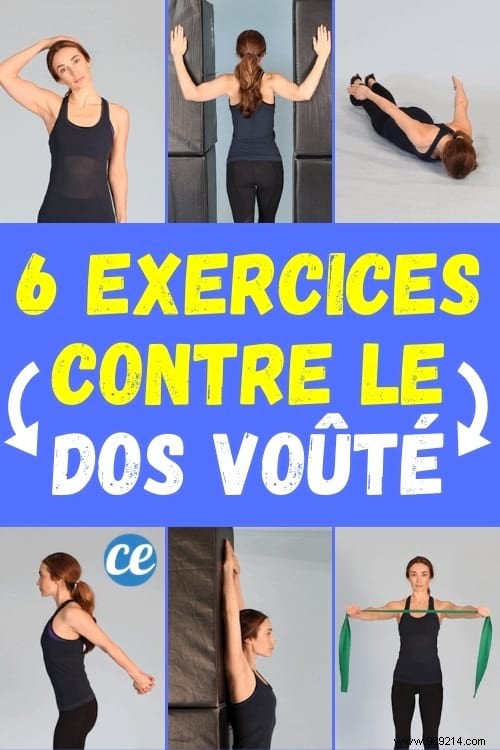
This stretch targets the trapezius and scalene muscles in your neck and shoulders, which are crucial for posture and breathing.
1. Stand or sit tall with your back straight and shoulders relaxed.
2. Tilt your ear toward your shoulder until you feel a gentle stretch on the opposite side of your neck.
3. Hold for 15-30 seconds.
4. Repeat on the other side.
Perform 2 sets of 15-30 seconds per side.
Ideal for opening tight chest muscles and easing rounded shoulders to combat poor posture.
1. Stand in a doorway, about 30-50 cm away.
2. Bend elbows at 90 degrees, raising arms parallel to the floor.
3. Place forearms on the door frame.
4. Step one foot forward.
5. Lean forward slowly until you feel a chest stretch.
6. Hold for 15-30 seconds.
Do 3 sets of 15-30 seconds, 2-3 times daily.
This loosens pecs, stretches shoulders, and works biceps. Reduce range if flexibility is limited to avoid pain.
1. Stand with feet hip-width apart, back straight, arms at sides.
2. Clasp hands behind your back, thumbs down.
3. Pull shoulders back and lift hands toward the ceiling until you feel the stretch.
4. Hold 20-30 seconds.
5. Release slowly.
Do 2 sets of 20-30 seconds, 1-2 times daily.
Strengthens shoulder and upper back stabilizers for better posture support.
1. Lie face down, forehead on the ground.
2. Extend arms into "I" (straight ahead, thumbs up); lift, hold, lower.
3. Move to "Y" (angled back); lift, hold, lower.
4. To "T" (out to sides); lift, hold, lower.
5. Repeat cycle.
Do 2 sets of 10 reps, 1-2 times daily.
Releases chest tension while building upper back and shoulder strength. Use a resistance band suited to your level.
1. Stand with feet hip-width, knees soft, back straight. Hold band overhead, arms extended.
2. Pull band apart by spreading arms to sides, squeezing shoulder blades.
3. Return slowly.
Do 2 sets of 10-12 reps, 1-2 times daily.
Aligns shoulder blades, boosts shoulder flexibility, and trains retraction.
1. Stand back against wall, feet slightly forward; press head, upper back, and glutes to wall.
2. Raise arms overhead against wall, palms forward.
3. Bend elbows to 90 degrees (start position).
4. Slide arms up wall as high as possible, keeping contact.
5. Pause, then slide down.
Do 2 sets of 10 reps, 1-2 times daily.
Prioritize stretching and strengthening. Consider physical therapy for soft tissue work to release chest tension. Support braces can help but consult a doctor or therapist for the right fit.
Any exercise causing pain. Focus on balanced stretches for chest and upper back. Maintain straight back during workouts.
Hunched backs and forward heads are common but fixable with these targeted stretches. Stop if painful and seek professional guidance. For more:
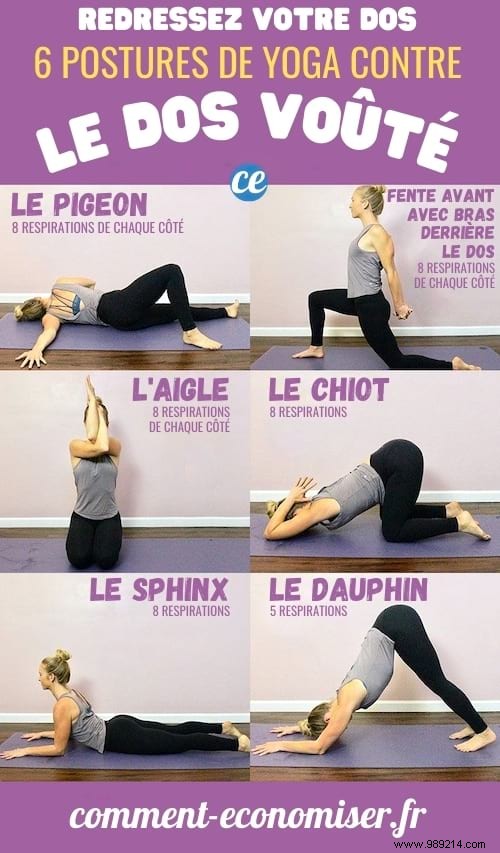
Pose 1: Pigeon – 8 breaths each side.
Pose 2: Forward Lunge, Arms Back – 8 breaths each side.
Pose 3: Eagle – 8 breaths each side.
Pose 4: Puppy – 8 breaths.
Pose 5: Sphinx – 8 breaths.
Pose 6: Dolphin – 5 breaths.
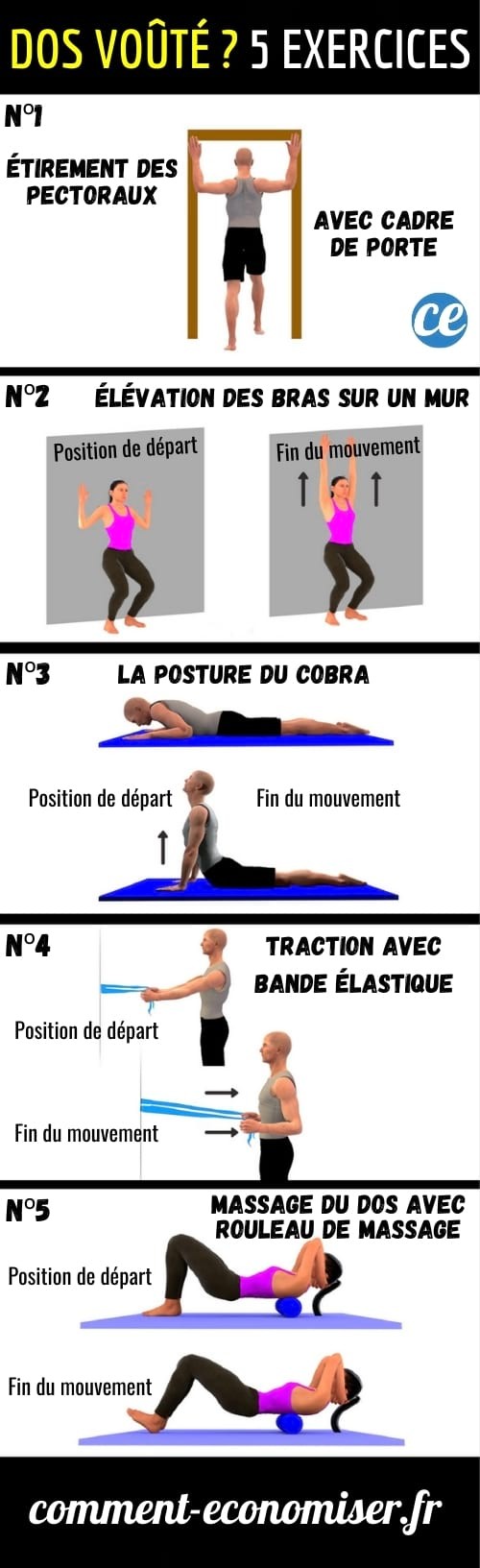
1: Doorway Pec Stretch
2: Wall Arm Raises
3: Cobra
4: Band Rows
5: Foam Roller Back Massage
Try these and share your results in the comments!
