The first heatwave of summer has arrived! Even nights feel sweltering. What really works to cool down? Some common habits can backfire, heating you up or causing dehydration. As experts in health and heat safety, we've vetted popular advice based on recommendations from doctors, ANSES, and health officials like Olivier Véran and Jérôme Salomon.

That dream of an ice-cold shower after a hot day? Your body sees it as a shock. It fights to maintain 37°C core temperature, burning energy and generating more heat—counterproductive. Post-shower chills can lead to dizziness or headaches. Experts recommend temperate water (20-22°C) instead. Enhance a fan's effect by standing wet in front of it. For vulnerable groups like children and seniors, multiple cool baths or showers daily help regulate body temperature.
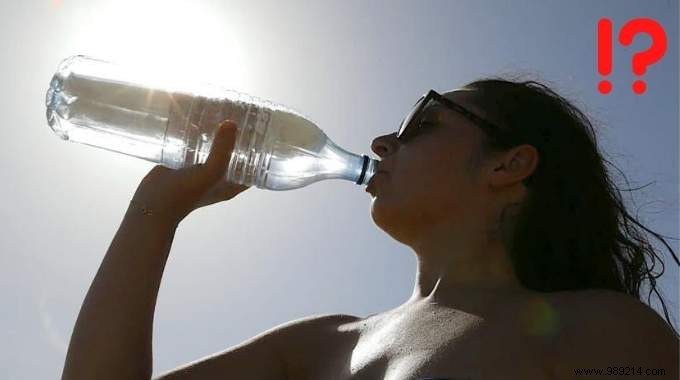
Dehydration strikes even the young and healthy during heatwaves, causing serious incidents, as former Health Minister Olivier Véran noted. Drink regularly, even without thirst—but not excessively. Health Director Jérôme Salomon advises about 1.5 liters extra daily, plus water-rich foods. Overdoing it risks hyponatremia (low blood sodium), linked to 25% of heat-related ER visits, especially in seniors or those on medications. To discover: Did You Drink Enough Water Today? The Tip To Know.
Leaving a fan or AC on all night tempts, but dry, cold air can irritate sinuses, dry throats, trigger cramps, or worsen allergies from airborne particles. Opt for a well-ventilated room, but keep the fan at a safe distance—not blowing directly on you. To discover: To Cool Your Room at Night, Point Your Fan Outwards, NOT Inwards.
"You have to eat," stresses the Health Minister. Heat curbs appetite, but meals rebuild strength. ANSES suggests water-rich foods: watermelon, melon, strawberries, peaches, tomatoes, zucchini, cucumbers, yogurts, and white cheeses. To discover: Heatwave: 11 Foods to Avoid At All Costs When It's HOT.
Hang damp sheets on windows or curtain rods to lower indoor temps—refresh with sprays. Indoor drying clothes boosts humidity, making heat more tolerable. To discover: 4 Simple and Effective Tips to Cool Your Home WITHOUT an Air Conditioner.
A hot tea mid-heatwave? Fine in moderation, despite diuretic effects. Avoid ice-cold drinks—your body expends energy warming them, negating refreshment.
Close windows, blinds, and shutters during peak sun. ANSES advises ventilating after dark when air cools, preventing daytime heat buildup.
Standby TVs, computers, chargers, and appliances emit heat. Unplug them. Skip oven cooking; favor cold soups like gazpacho and salads to minimize indoor heat.
Ditch synthetics like polyester—they trap sweat. Choose breathable cotton, linen, or thin wool. Outdoors? Light colors reflect sun; loose fits enhance comfort.
