With the ongoing threat of coronavirus, thorough cleaning and disinfection of your home has never been more critical. Research from the National Institutes of Health shows the virus can linger on surfaces for hours.
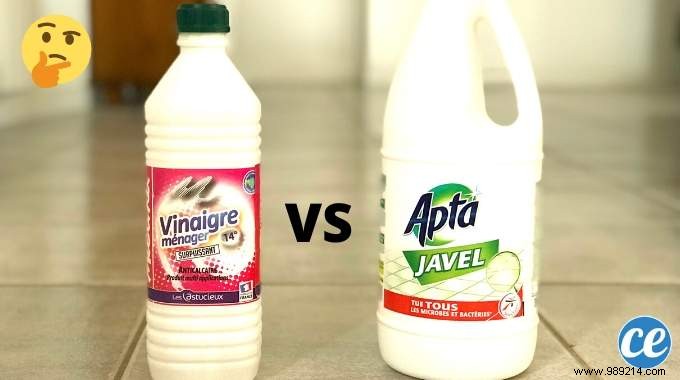
Many wonder: Can white vinegar effectively disinfect your space, especially as a safer alternative to bleach? We break it down with evidence from health authorities and experts to guide you on safe, reliable cleaning.

As explained by Dr. Mascret during a France 2 evening news segment, white vinegar disrupts the virus's envelope, rendering it inactive. (Activate sound in the video's bottom right corner for details.)
This makes white vinegar suitable for routine home disinfection during outbreaks, particularly if you're staying home and minimizing external contacts. Sources like RTL, Atlantico, and Consoglobe support its use alongside soapy water for hands and devices.
1. Wear household gloves.
2. Soak a microfiber cloth in white vinegar.
3. Wring out excess liquid.
4. Wipe high-touch surfaces: door handles, light switches, countertops, fridge handles.
5. Launder the cloth at 60°C or higher.
6. Wash gloves with soapy water.
7. Remove gloves and wash hands thoroughly.
The French Directorate General of Health clarifies that white vinegar is not a virucide—it inactivates but does not kill viruses. Bleach, however, eliminates coronavirus and other viruses on contact.
"Bleach is a virucide, unlike white vinegar," states the DGS. The World Health Organization agrees, listing bleach-based disinfectants among effective options like 75% ethanol and peracetic acid.
While powerful, bleach poses health risks if mishandled.
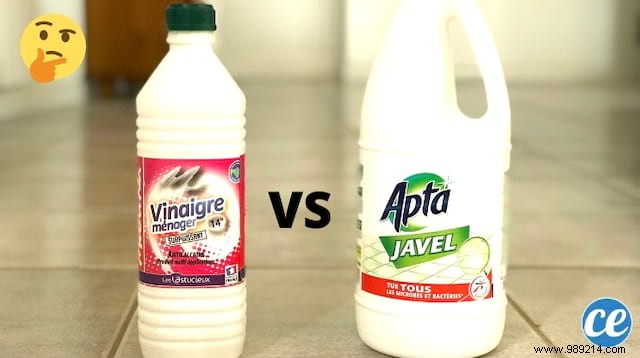
For maximum virus elimination, opt for bleach in high-risk scenarios:
For daily maintenance, white vinegar's acetic acid provides natural antibacterial and cleaning power. Use it on countertops, kitchens, bathrooms, appliances, faucets, windows, and everyday items like keyboards and phones.
Learn more about the top 6 high-touch spots to clean frequently during outbreaks.
Bleach kills viruses effectively but requires caution: It can irritate skin, eyes, and lungs, causing burns, headaches, or nausea. Never apply to skin, food, or pets. Always wear gloves, dilute properly, and ventilate well. Limit use to avoid overexposure.
The CDC also endorses 70%+ alcohol-based cleaners as virus-killing alternatives.
The strongest defense against coronavirus is barrier measures: frequent handwashing with soap (not bleach), social distancing, and limiting interactions.
