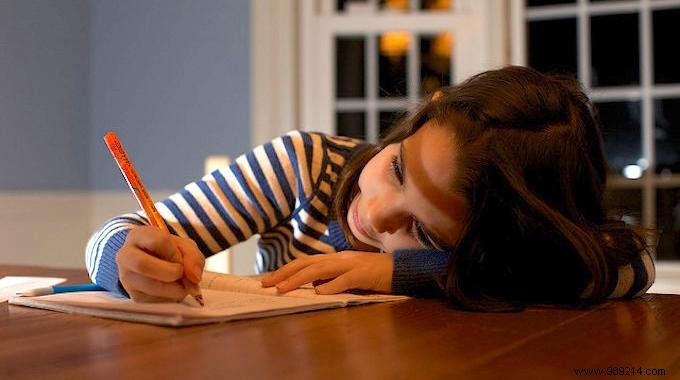
Renowned psychologist Harris Cooper has spent 25 years studying homework's effects on students. His research, detailed in The Battle over Homework, delivers a clear verdict: homework often harms more than helps, particularly for younger learners.
While it offers benefits in high school, those advantages diminish in college. "In elementary school, the benefits of homework are non-existent," notes Etta Kravolec, professor at the University of Arizona.

Cooper's findings outline key reasons to rethink homework in primary grades:
Young children face years of schooling ahead. The last thing they need is to dread it. Instead, foster joy in learning to build a lifelong love for education.
Homework aims to boost parental involvement, but for young kids, it backfires. Parents must nag after a full school day, sparking battles that linger.
Advocates claim homework builds responsibility, but only later in life. For now, constant reminders from parents erase any such gains.
Studies from Open Colleges in "The Tyranny of Homework: 20 Reasons Why You Shouldn't Give Homework Over the Holidays" show many children lack physical activity. Evenings should mean play, sports, and outdoor fun—not more work.
Homework often shortens sleep, vital at 10 hours nightly for peak performance. Rest fuels productivity in class.

Proven options keep kids engaged without overload:
Research shows reading trumps homework. Tailor books to kids' interests—read together or independently—for deeper gains.
Use daily chores like making beds, helping at home, or pet care to instill duty naturally.
Help kids see learning as ongoing. Homework then feels like natural extension.
Museums offer unique, hands-on knowledge. Seek exhibits matching their curiosities.
In summary, parents and teachers can use after-school time for creative, social learning that complements classroom lessons.
