Each year, malaria affects 200 million people and claims 600,000 lives worldwide.
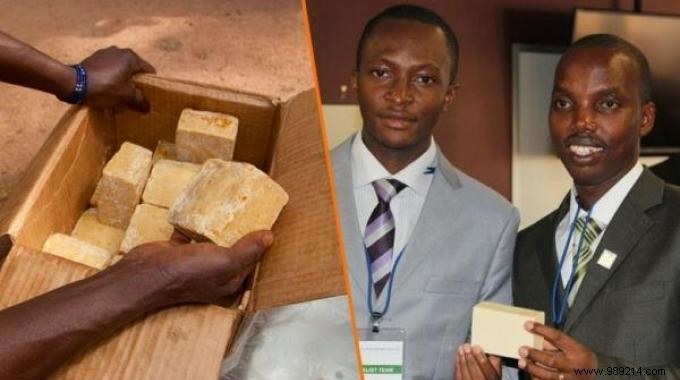
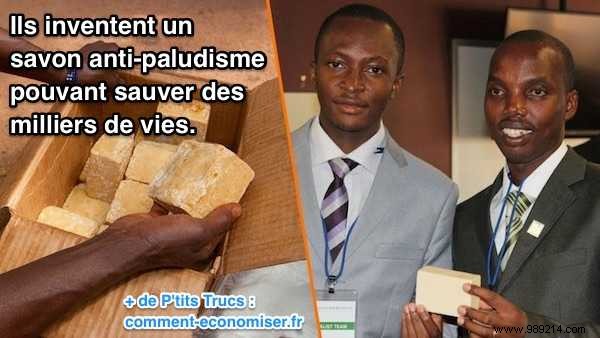
Two innovative students—one from Burkina Faso and one from Burundi—are poised to change that with a simple yet powerful solution: Faso Soap.
This soap repels mosquitoes and eliminates their larvae, disrupting malaria transmission at its source.
The mosquito stands as humanity's deadliest predator, far surpassing sharks with 80,000 times more victims on its grim tally.
Infected mosquitoes transmit the Plasmodium parasite, causing malaria. Faso Soap offers real hope in combating this global crisis.
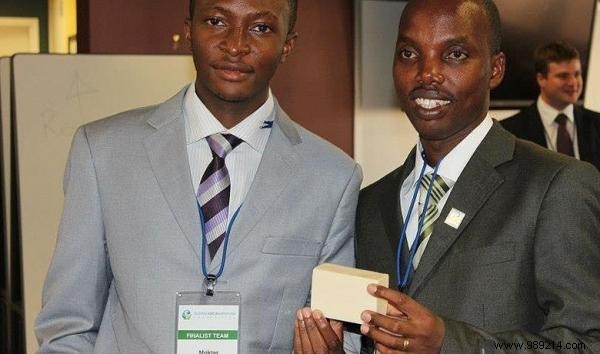
Developed by Gérard Niyondiko and Moctar Dembélé, this accessible product leverages local ingredients for widespread impact.
Did you know nearly half the world's population is at risk? In 2014, 97 countries battled outbreaks, primarily in sub-Saharan Africa, Asia, and Latin America, with cases also in the Middle East and Europe.
No vaccine exists yet, making Faso Soap a vital tool for prevention.
The recipe includes shea butter and lemongrass, sourced locally for affordability and sustainability. Part of the formulation remains proprietary to protect efficacy.
Users simply wash themselves or their clothes with it; the soap targets larvae in stagnant water without side effects—unlike many chemical treatments.
No habit changes required—just everyday hygiene. Its low cost, at just 46 euro cents (300 CFA francs) per bar, makes it viable for vulnerable communities.
The inventors earned recognition from UC Berkeley's Global Social Venture Competition, validating their brilliant, scalable idea for mass production and distribution.
