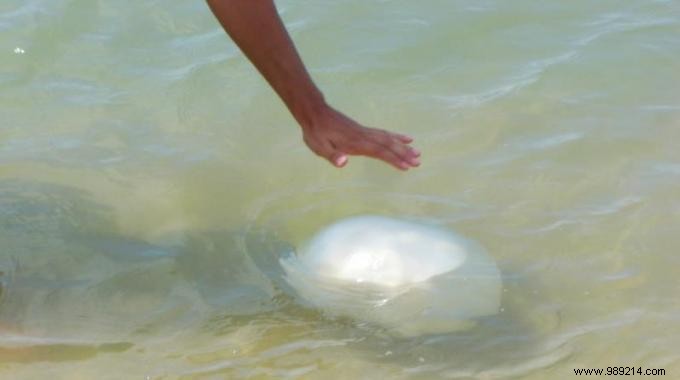
Summer beach trips can bring unexpected encounters with jellyfish. A sting is painful and can derail your vacation, but with the right knowledge, you can stay safe and prepared.
Don't panic—here's expert advice on avoiding them and treating stings based on proven marine safety practices.

Jellyfish drift passively with ocean currents, so they don't chase swimmers. If you spot one, calmly swim in the opposite direction and maintain a safe distance.
Their tentacles house nematocysts—stinging capsules that deliver venom like an electric shock, potentially causing swelling, lesions, or allergic reactions that heal in days.
Protect your face by wearing a dive mask, especially at jellyfish-prone beaches.
1. Rinse the area immediately with seawater (avoid freshwater, which can trigger more venom release).
2. Gently remove remaining tentacles or cells using tweezers, a gloved hand, or a credit card—anything clean and flat.
3. Apply white vinegar at home to neutralize venom and soothe hives.
4. Soak in hot, salty water—heat denatures the toxin.
5. For severe pain, take an analgesic and seek medical help promptly.
Armed with these steps, you're ready for safe swims. Pack dive masks and white vinegar on your next trip, and stay observant.
Got other jellyfish avoidance tricks? Share in the comments—we'd love to hear them!
