
It's often said that a nap reboots your brain—like hitting refresh on your mental performance.
But selecting the right duration isn't always straightforward. As sleep experts emphasize, the length of your nap determines whether it's restorative or counterproductive.
This guide, informed by sleep research, breaks it down simply to help you nap smarter.
 Contents
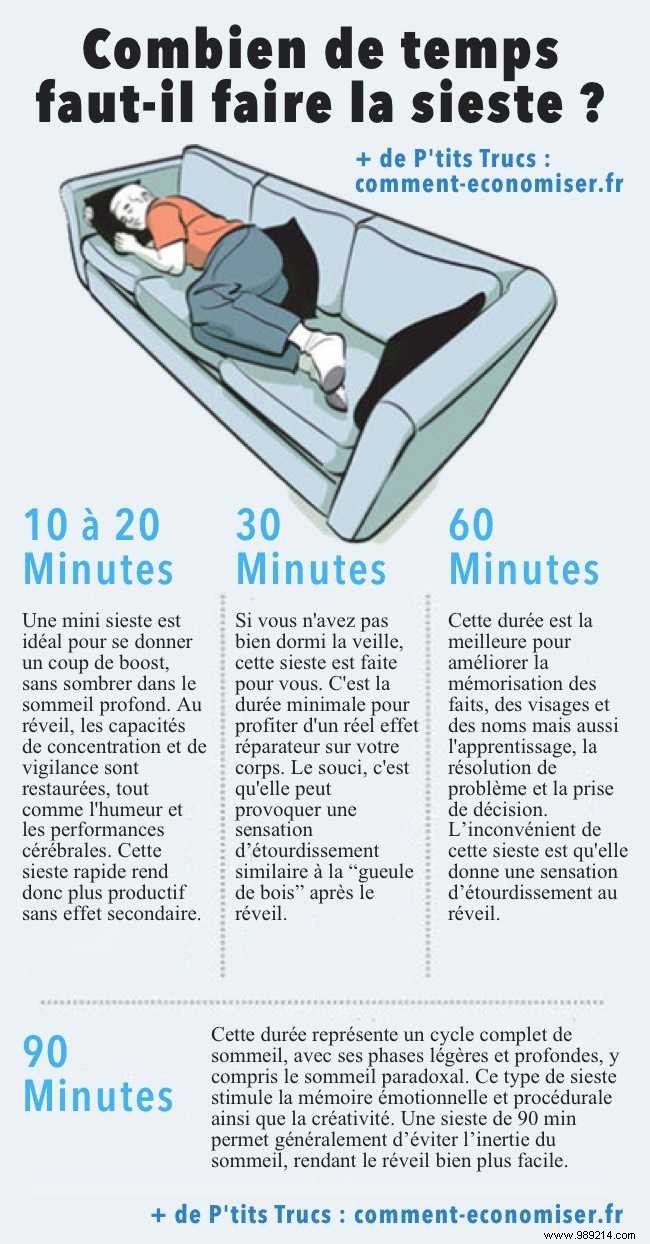
Sleep experts consistently recommend a 10 to 20-minute nap as the sweet spot for most people.
That said, your needs may vary—here's a breakdown based on science-backed insights:
Need a quick boost? A 10-20 minute power nap is ideal, restoring alertness and focus without deep sleep.
This short duration prevents grogginess upon waking, enhancing concentration, mood, and cognitive performance for greater productivity.
Bonus: It's flexible—no bed required. An armchair, car seat, or sofa works fine, no pajamas needed.
Recovering from a rough night, like with a baby or late hours? A 30-minute nap offers restorative relief from sleep debt.
However, it risks sleep inertia—a foggy state of reduced alertness, memory lapses, and disorientation that mimics "sleep drunkenness."
Avoid scheduling important tasks immediately after.
For significant brain performance gains, aim for 60 minutes. This enhances memory for facts, faces, and places, while boosting reasoning, learning, and decision-making.
The catch: Waking can feel dizzy due to sleep inertia, lasting up to 30 minutes—like a mild hangover.
Once it passes, the cognitive benefits shine through.
A 90-minute nap completes a full sleep cycle, including light, deep, and REM stages linked to dreams.
It strengthens emotional and procedural memory (e.g., motor skills like playing piano) and sparks creativity—perfect for designers or innovators.
Best part: Minimal sleep inertia, for easier, quicker wake-ups.
To stay in light sleep, nap in a slightly reclined position rather than fully flat.
Dreaming during a short nap? It signals deeper sleep deprivation—consider adjusting your nighttime routine.
In France, naps are sometimes seen as lazy, but science proves otherwise: They lower cardiovascular risk and boost overall shape and workplace productivity.
Japan leads with company nap rooms—imagine that in French offices. Until then, make napping a smart habit.
