 The thyroid acts as the body's master regulator. When it underperforms in hypothyroidism, symptoms like weight gain, fatigue, and constipation can disrupt daily life. A targeted solution is the IG thyroid diet, designed to support thyroid function.
Over 200 million people worldwide suffer from thyroid disorders.
This vital gland at the base of your neck influences metabolism, energy, sleep, weight, digestion, and mood. Hypothyroidism slows hormone production, while hyperthyroidism accelerates it, leading to imbalances.
Beyond medication, diet plays a key role in thyroid health. The thyroid relies on iodine—a trace element we can't produce—to function properly. The IG (low glycemic index) thyroid diet helps counteract dysfunction by prioritizing iodine-rich foods and balancing blood sugar.
Important note: For hyperthyroidism, avoid high-iodine foods during treatment, as excess iodine can be harmful. Always consult your doctor before starting any diet.
Backed by experts like Dr. Pierre Nys, this diet emphasizes low-GI foods, plus iodine and selenium (which aids iodine absorption) for hypothyroidism.
Follow these 10 daily habits from Dr. Pierre Nys for optimal results, alongside favoring nutrient-dense foods and limiting others.
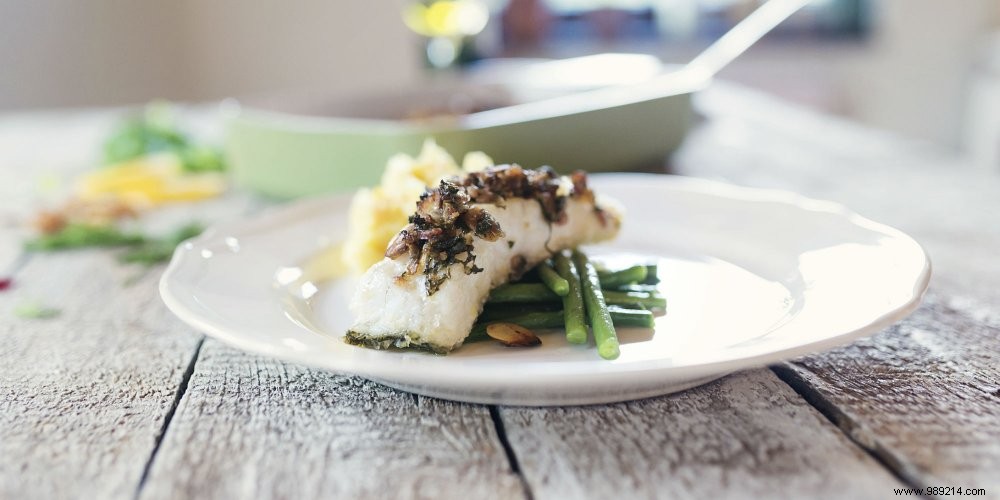
Boost iodine intake with: dried seaweed (wakame, nori), smoked haddock, garlic, onions, crustaceans, shellfish, sea fish, fresh pineapple, eggs, dried fruits, cereals, and meat.
For selenium: rabbit, wholemeal pasta, red meat, mushrooms, wholemeal bread, and legumes.
Limit goitrogenic foods that may enlarge the thyroid: cabbage family (Brussels sprouts, kale, broccoli, cauliflower), watercress, rutabaga, turnips, radishes, sweet potatoes, cassava.
Breakfast (sweet): Coffee or tea (unsweetened or with stevia/agave) + 3 slices wholemeal bread + 3 tbsp no-added-sugar compote + 0% yogurt with 1 tbsp agave.
Breakfast (savory): Tea or coffee (as above) + 2 slices wholemeal bread + 2 tbsp fresh goat cheese + 1 soft- or hard-boiled egg + 1 fruit.
Lunch: Rice salad with three peppers, steamed chicken breast, eggplant-tomato gratin, baked apple.
Dinner: Leek velouté with almond milk, garlic mussels with herbed zucchini purée, fresh fruit.
Explore more in: The New Thyroid GI Diet by Dr. Pierre Nys (Leduc.s Editions).
Read also:
