Researchers investigated connected consciousness after tracheal intubation under general anesthesia, revealing that around 10% of patients remained partially aware. Notably, half of these individuals also reported feeling pain.
Consciousness typically falls into two broad categories: fully conscious, marked by responses to external stimuli, and unconscious, defined by a lack of such responses. Yet, the human brain's complexity means no response doesn't always equate to total unawareness. Enter connected consciousness, where individuals perceive and react to their surroundings, contrasting with disconnected consciousness—awareness of internal thoughts without external interaction. True unconsciousness eliminates both.
In anesthesia, connected consciousness means a patient dimly senses their environment despite appearing asleep.
A multinational study across ten hospitals examined this in 338 patients aged 18-40 after tracheal intubation for oxygen, medication, or anesthesia delivery. Post-intubation and under general anesthesia, clinicians posed questions and commands like "squeeze my hand" or "squeeze twice if you feel pain."
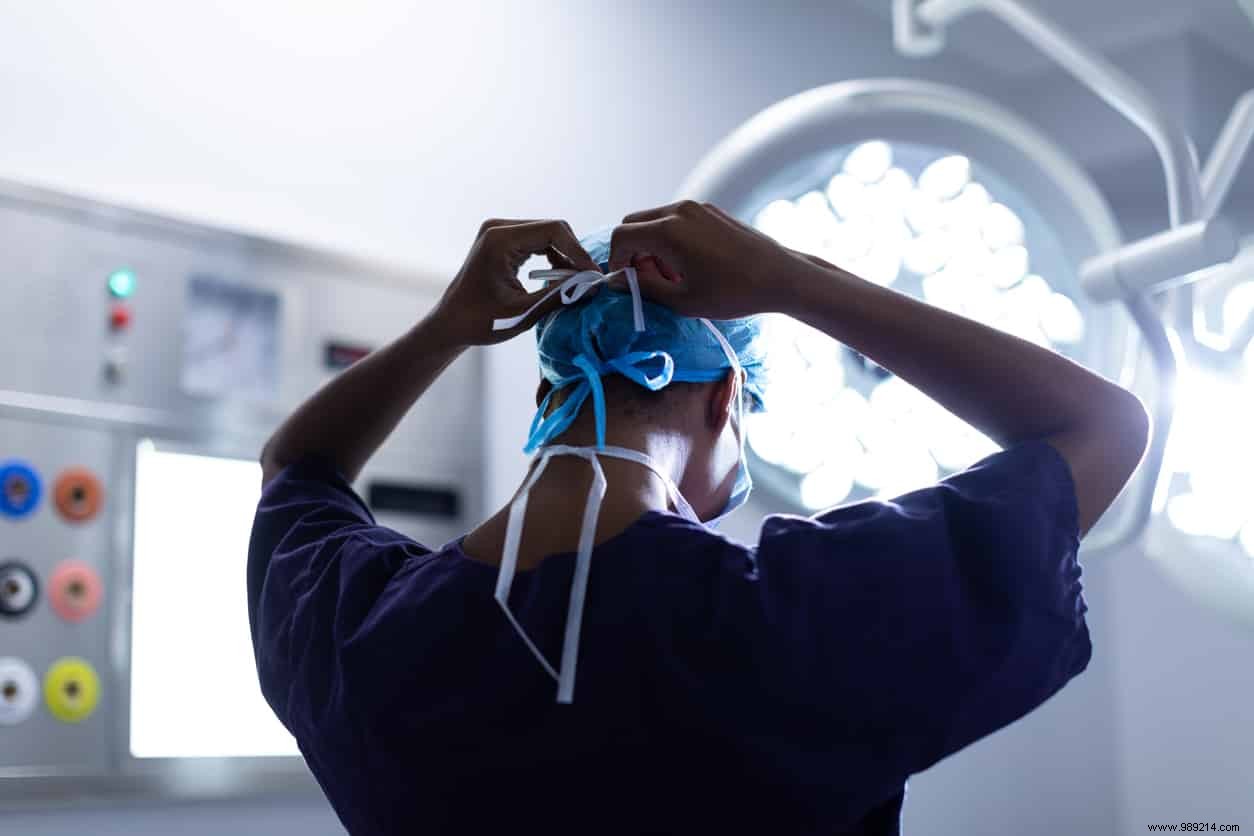
Prior estimates pegged intraoperative awareness at 5%; this research, published in the British Journal of Anaesthesia, at least doubles that figure. Thirty-seven patients (roughly 1 in 10) responded to stimuli, with half (1 in 20) signaling pain. Women were three times more responsive than men, yet only one recalled the episode upon waking.
"While concerning, continuous anesthesia titration before intubation can mitigate this risk," says lead author Robert Sanders, MD, PhD, from the University of Sydney. "We urge clinicians to adopt this if not already standard."
The study doesn't deter general anesthesia but underscores the need to better understand varied patient responses to anesthetics, including biological factors like sex differences, warranting further research.
