All pandemics end eventually. Officially, the World Health Organization (WHO) holds the authority to declare the COVID-19 crisis over. But experts argue the true endpoint is more sociological than purely epidemiological.
Marking the second anniversary of the COVID-19 pandemic, global trends are improving. While countries like China face rising cases and the WHO urges caution, infections and deaths are in sustained decline across much of the world. Widespread immunity to SARS-CoV-2 is also taking hold.
Consequently, restrictive measures are lifting gradually. In France, for instance, mandatory indoor masks ended, and the vaccination pass was suspended on March 14, 2022.
Even as the virus circulates at low levels, many now feel the pandemic is winding down—a sentiment that could permeate society. "Pandemics end partly because humans declare them over," says Marion Dorsey, a University of New Hampshire expert on historical pandemics, in Scientific American.
Epidemiologically, this shift occurs when a disease circulates without causing major surges in severe illness or death, transitioning from pandemic to endemic. Yet, this transition hinges largely on human behavior.
"When people enter stores without masks or simply shop for pleasure, they're signaling the pandemic is over," Dorsey notes. Regardless of official declarations, "nothing really changes until society acts like it has."
John M. Barry, author and historian of the 1918 flu pandemic, concurs: pandemics end "when people stop paying attention." He adds, "With vaccines and treatments still elusive for many globally, pandemic fatigue is setting in." Still, he cautions against rushing too far, too fast.
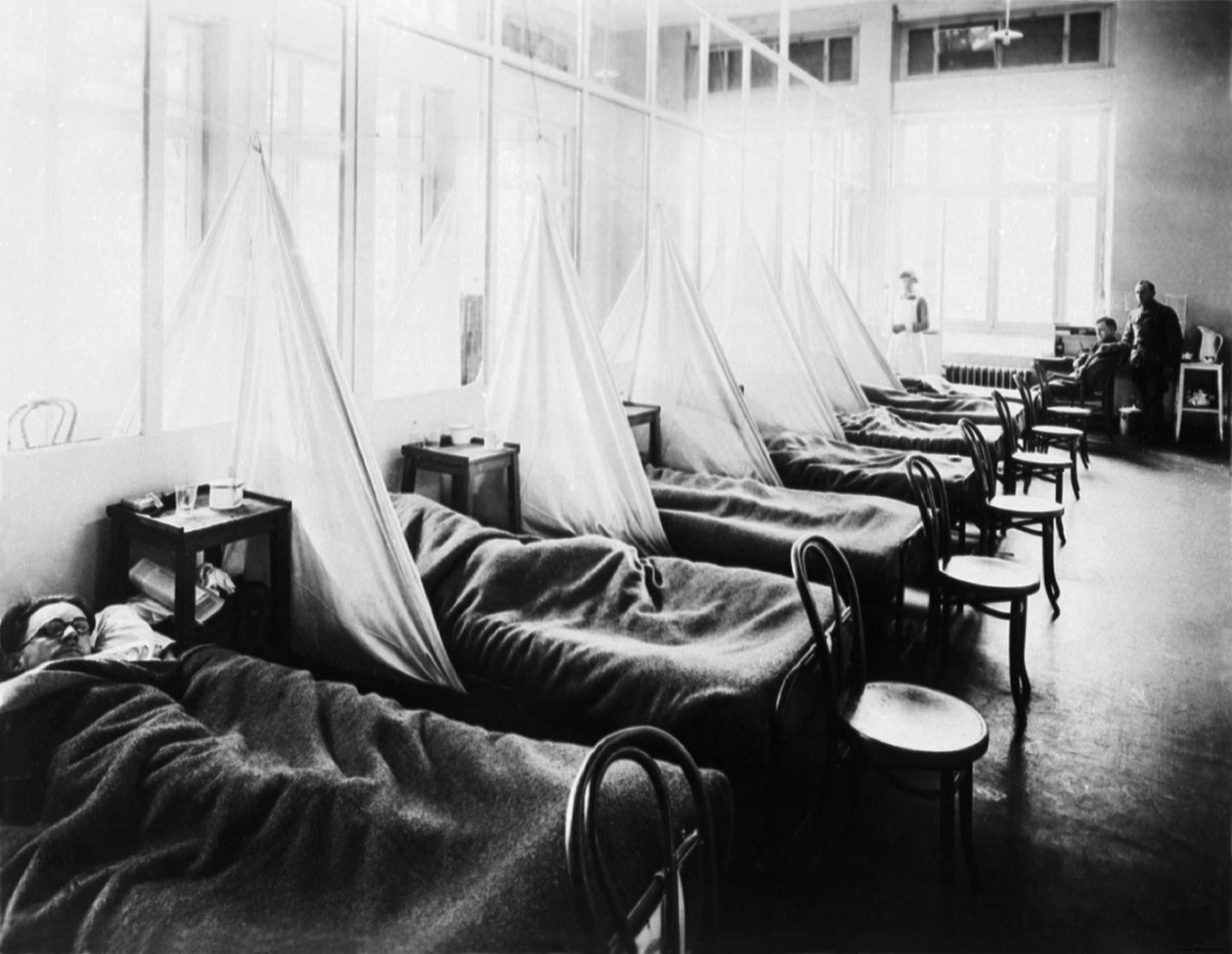
The 1918 pandemic, which killed at least 50 million, saw three main waves from 1918-1919. A 1920 variant sparked a fourth, deadlier in some cities than the second. Influenza deaths normalized by 1921 as the H1N1 virus became less virulent.
Omicron causes milder illness, but no natural law guarantees viruses always attenuate. A highly transmissible, more virulent variant could emerge soon. Barry remains cautiously optimistic: "Future variants are more likely to be milder."
The 1918 pandemic faded partly as World War I ended, dominating headlines, while diseases like polio regained attention. Today, the Ukraine conflict may play a similar diverting role, easing COVID-19 from public consciousness.
Full recovery may take years. For those who've lost loved ones or frontline workers enduring mass suffering, the scars will endure.
