Patients with late-stage head and neck cancer, once given dire prognoses years ago, are now not only surviving but cancer-free. These remarkable outcomes stem from a novel immunotherapy regimen under evaluation in a phase III clinical trial.
Head and neck cancers arise in tissues of the lips, oral cavity, larynx, salivary glands, nose, sinuses, or facial skin—distinct from brain tumors. Globally, these cancers claim more than 400,000 lives annually. Researchers at the Institute of Cancer Research (ICR) in London and The Royal Marsden NHS Foundation Trust have tested a dual-drug approach previously effective in advanced kidney, skin, and intestinal cancers.
The regimen combines nivolumab, an anti-PD-1 antibody that enhances T-cell anti-tumor activity, with ipilimumab, a monoclonal antibody used as adjuvant therapy post-melanoma surgery.
In this phase III trial involving over 1,000 patients with advanced head and neck cancer, early findings—though preliminary and not yet statistically significant—show strong promise. Barry Ambrose, a 77-year-old participant featured in The Guardian, saw his tumor vanish in just eight weeks.
“I traveled bi-weekly from Suffolk to the hospital for treatment, experienced virtually no side effects, and continued sailing, cycling, and enjoying family time,” he shared.
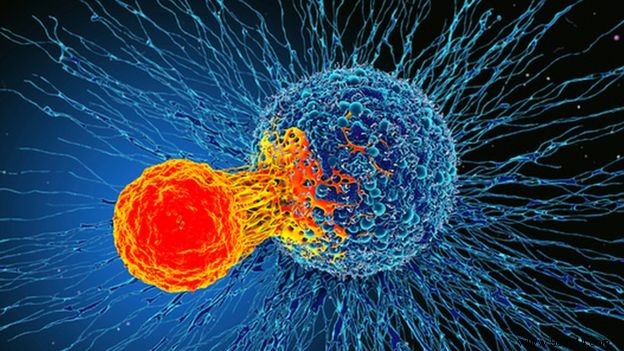
While not all patients matched Barry's success, those on the immunotherapy lived an average of three months longer than the chemotherapy control group. The combination proved especially effective in tumors with high levels of the immune marker PD-L1.
Beyond extending survival, this therapy offers far fewer side effects than standard chemotherapy for advanced cases.
Ongoing follow-up will clarify the full impact on survival across all participants.
