A groundbreaking study in Nature reveals encouraging outcomes from a phase 1 trial of a vaccine designed to train the immune system against brain tumors.
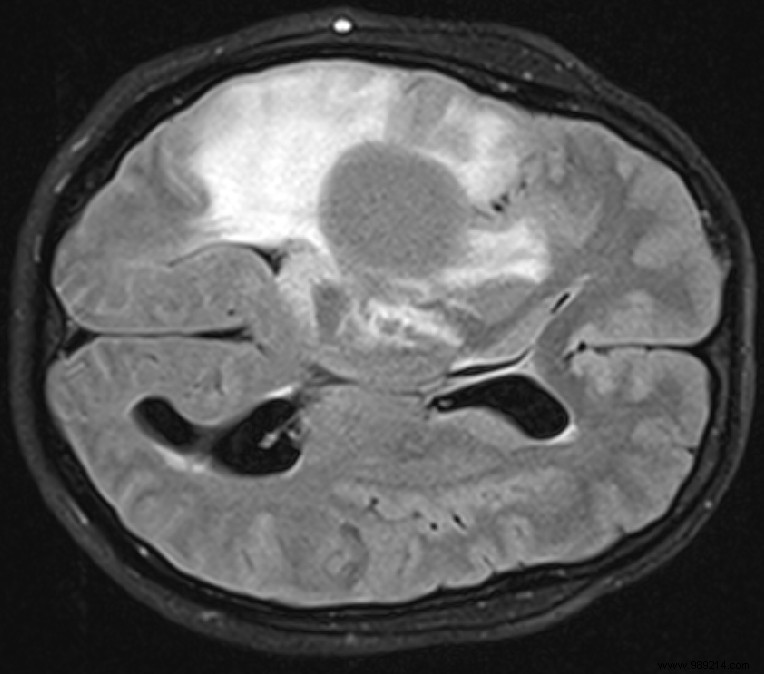
Diffuse low-grade gliomas primarily affect younger patients. These tumors grow slowly at first but often transform into aggressive malignancies within years, posing a serious threat to life expectancy.
Gliomas infiltrate widely across the brain, making complete surgical removal challenging. Chemotherapy and radiotherapy typically offer only modest benefits. For years, researchers at the German Cancer Research Center (DKFZ) have pursued an innovative immunotherapy strategy.
Over 70% of low-grade gliomas harbor a mutation in the IDH1 gene, which encodes isocitrate dehydrogenase 1. This alteration produces neo-epitopes—unique proteins that the team's vaccine aims to help the immune system recognize and attack.
Following extensive preclinical development and animal studies, the phase 1 trial launched in 2015. This initial stage, involving a small patient cohort, evaluates safety, dosing, tolerability, and pharmacokinetics.
The trial enrolled 33 patients with newly diagnosed IDH1-mutant gliomas. Results confirm the vaccine's excellent safety profile, with no dose-limiting toxicities. Notably, 93% of patients mounted a robust immune response, generating T cells that specifically targeted the IDH1 mutation.
At the three-year mark, the cohort's survival rate reached 84%. Among those with strong vaccine-induced immunity, 82% showed no evidence of tumor progression.
While phase 1 trials prioritize safety over efficacy, these data are highly promising. Larger studies are essential for confirmation. A follow-on phase 1 trial combining the vaccine with checkpoint inhibitors is ongoing, and a phase 2 trial is in planning.
