While some practitioners today promote magnetism to ease pain, anxiety, and tension, this 18th-century practice remains more of a cultural trend than a scientifically supported treatment.
Franz Anton Mesmer (1734-1815), a German physician, pioneered animal magnetism in 1773. He theorized a universal magnetic fluid present in all people, which healers could transmit by placing hands on patients to "rebalance energies" and promote healing.
By 1784, medical experts had rejected the practice, attributing effects to suggestion and imagination. To date, no rigorous studies confirm these effects, and modern instruments detect no such fluid—far more sensitive than those of past decades. Magnetizers themselves have failed to prove its existence; in a 2004 experiment, they couldn't detect a person behind a screen despite prior claims of sensing their "magnetic signal."
Magnetotherapy involves applying magnets to painful areas or acupuncture points to generate a magnetic field. Proponents claim it stimulates cell function, boosts circulation, and interrupts pain signals to the brain.
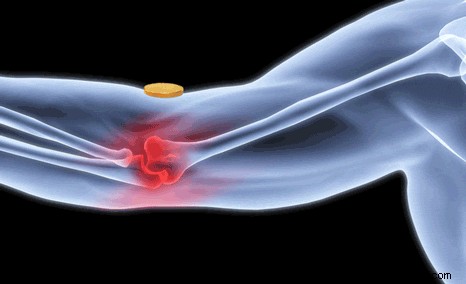
Advocates suggest magnets interact with the body's weak magnetic field—measurable only with specialized SQUID devices—to channel energy, relax muscles, and treat migraines, chronic pain, or slow healing. While static magnets pose no known risks, clinical studies show effects no better than placebo or, at best, modest clinical benefits. Scientific consensus finds no evidence supporting magnetotherapy's efficacy, including animal magnetism.
