Researchers at the University of Nottingham have identified a rare small bone in the hearts of certain chimpanzees affected by a prevalent heart condition. This finding, published in Scientific Reports, may have implications for human cardiology as well.
Known as os cordis, this tiny bone occasionally appears in the hearts of animals like buffaloes, sheep, camels, otters, and dogs. Until now, it was thought absent in primates—but this study challenges that assumption for chimpanzees.
The team examined hearts from 16 chimpanzees using micro-computed tomography, an advanced imaging technique. Some had idiopathic myocardial fibrosis (IMF), the leading heart disease in chimpanzees; others did not.
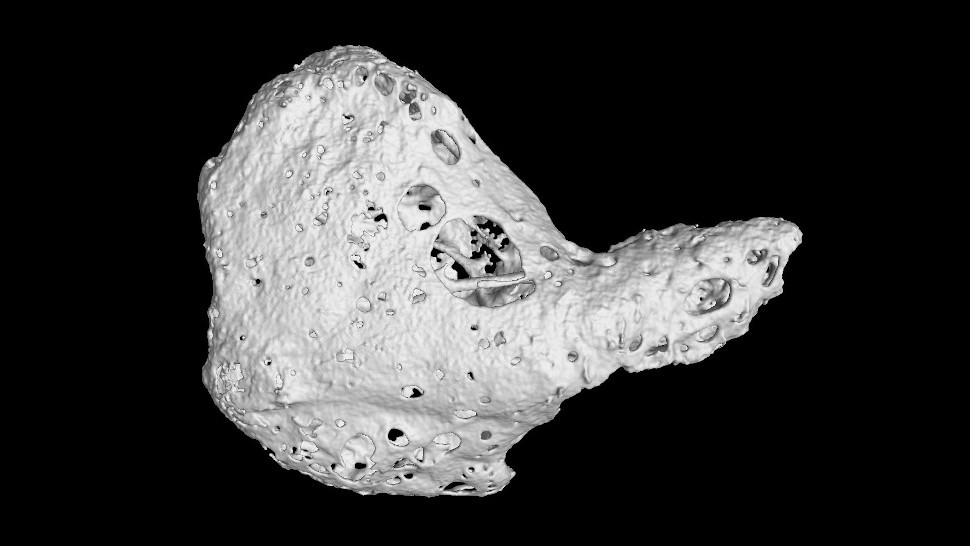
Scans revealed os cordis—just millimeters in diameter—in some hearts, embedded in the right fibrous trigone, which connects the aortic, mitral, and tricuspid valves.
Certain specimens also showed "cartilago cordis," cartilage that can ossify into bone.
Specifically, three of the 16 chimpanzees had both os cordis and associated cartilage, all with severe IMF. The four with severe IMF had these features, while the other 12—without bones or cartilage—showed milder or no fibrosis.
This led researchers to link the presence of os cordis with more severe fibrosis. Though older chimpanzees were at higher risk for IMF, younger ones of both sexes were affected too.
With a modest sample size, definitive conclusions are premature. Notably, not all IMF cases involved bones or cartilage.
Still, this discovery could improve treatments for chimpanzees, where cardiovascular disease is rampant—affecting over 75% of adult captive chimpanzees that died between 1990 and 2003.
Given our close genetic ties to chimpanzees, this warrants investigation in humans, where os cordis has never been documented despite our high rates of heart disease.
