Seniors facing reduced mobility can thrive at home with targeted support and innovative adaptations. Recent advancements in equipment and home modifications enable many elderly individuals to age in place comfortably, avoiding the need for retirement homes.
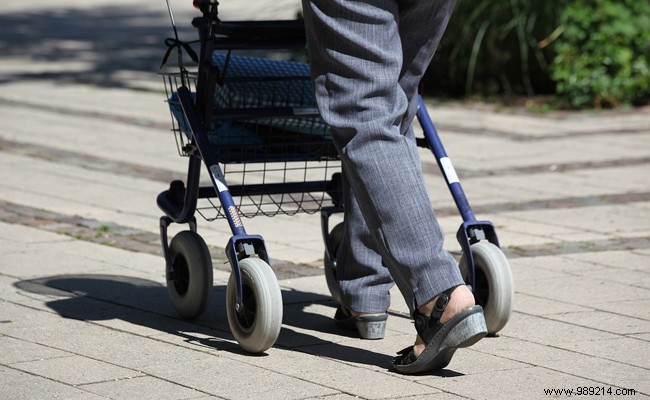
Mobility challenges are among the top concerns for older adults. Specialized tools provide the stability and support needed for safe movement. Canes offer essential balance and security, while walkers provide broader stability. For multi-story homes, stairlifts or elevators ensure effortless access between floors. Outdoors, electric scooters designed for reduced mobility make errands like grocery shopping or enjoying a terrace coffee accessible and enjoyable.
Maintaining proper positioning becomes increasingly important with age. Leading manufacturers offer a range of chairs—including lift chairs, recliners, geriatric models, and positioning chairs—to support seniors in sitting or lying positions securely. Adjustable medical beds are staples in home care, featuring anti-fall side rails, remote-controlled backrest adjustments, and customizable height for optimal comfort.
Bathrooms and toilets pose significant fall risks for seniors. Essential adaptations include commodes and raised toilet seats for easier access. With 450,000 falls occurring annually in bathrooms alone, proactive changes are vital. For bathtubs, install access doors and ergonomic seats for seated bathing. Ideally, replace with a walk-in shower to eliminate steps. Add wall-mounted grab bars and anti-slip mats or seats for reliable support.

Home automation systems streamline daily living, automating shutter controls, hallway lighting to prevent nighttime falls, and more. While these upgrades involve investment, financial aid from local authorities, pension funds, or the National Housing Agency (ANAH) can offset costs, making them accessible for long-term home maintenance.
