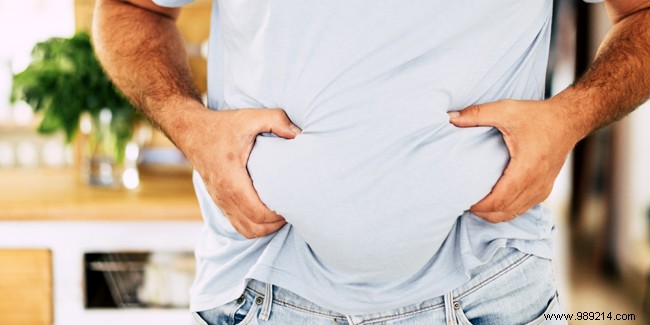
Aging affects everyone differently, but both men and women often notice stubborn belly fat accumulating over time. This targeted weight gain is tougher to shed than in younger years. Drawing from established health insights, we'll explain the causes and share practical, evidence-based strategies to help you lose it.
Between ages 20 and 50, people in France gain an average of 6 to 10 kg. Men experience gradual increases, while women see spikes around pregnancies and menopause. Women typically carry 18-25% body fat, compared to 10-15% in men.
Several factors drive this:
Lifestyle shifts play a role too: more family meals, extra cooking time post-retirement, and indulgences like an additional glass of wine.
Caloric needs evolve lifelong. They're highest in adolescence, stabilize in adulthood, and require adjustment later.
With age, aim for:
Avoid overly restrictive diets, as they accelerate muscle loss.
Body Mass Index (BMI) is a reliable gauge:
Watch for abdominal obesity—excess fat around vital organs raising risks for heart disease, type 2 diabetes, and cancer. It's indicated by:
Start with diet: Cut evening starches, processed foods high in sugars, salt, and fats. Prioritize citrus, apples, lean poultry, fish, black radish, leeks. Opt for protein-rich, low-sugar breakfasts (e.g., eggs), whole grains, veggies for fiber, and limit evening dairy.
Incorporate simple exercises:
Add daily movement like cycling, walking, or gardening to rev metabolism.
Diet mirrors women's: More veggies, lean meats/fish, fewer processed items, lighter evenings, reduced alcohol.
Stay active with walking, running, cycling, sports, or DIY. Try these:
Sustainable health demands balanced eating, portion control post-meals, limited alcohol, quitting smoking, and daily movement. Join clubs for petanque, swimming, Pilates, gym, or Nordic walking to build muscle and connections. Prioritize sleep to curb cravings and support weight management.
Consult your doctor for personalized advice on diets and monitoring.
