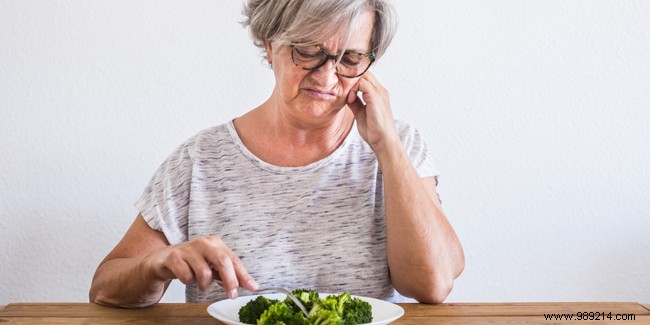
As people age, it's common for seniors to eat less due to medical conditions, psychological factors, or natural changes. Drawing from years of geriatric care experience, addressing this loss of appetite promptly is vital to maintain their health and vitality. Start by pinpointing the cause, then apply targeted strategies to reignite their interest in meals. Here are six evidence-based tips to help.
When a senior isn't eating enough, identifying the underlying issue is the first step. Pain or discomfort from various sources could be at play:
This isn't an exhaustive list, but the key takeaway is clear: consult medical and dental professionals for a thorough evaluation. Causes can range from refusal of institutional diets or care home placements to age-related sensory decline and slower metabolism. Once diagnosed and treated, focus on rebuilding their desire to eat.
Undernourishment weakens seniors, making them more vulnerable to illness. Common signs include:
Malnutrition often results from unbalanced diets, inadequate intake, or medication side effects. Like appetite loss triggers, it requires prompt identification and intervention by healthcare experts.
Seniors who've cooked for decades may dislike bland institutional meals. Collaborate with them, care home staff, or meal services to understand dislikes. Opt for fresher, less overcooked options. Often, simply asking what they crave is the quickest way to spark interest.
For dental or chewing issues, purees are nutritious, flavorful alternatives. Blend vegetables, small pasta, rice, or semolina into dishes like shepherd's pie or brandade. Slow-simmer meats for tenderness, and offer fruit compotes or mousses for dessert.
Many senior diets lack fresh produce. Prioritize seasonal fruits and well-cooked vegetables for flavor and digestibility. High in fiber, they support gut health and overall well-being.
Monotony kills appetite—avoid repeating the same dish daily unless frozen portions allow variety. Use takeout, home-cooked shares, or customizable care home/delivery menus to introduce diversity and pleasure.
Restricted diets like low-salt can taste bland; consult dietitians for flavorful swaps. Balance health needs with morale—discuss with doctors if restrictions truly benefit the senior.
Age is no barrier to culinary adventure. Global flavors and textures, often available via takeout, can delight and surprise, reigniting mealtime enthusiasm.
A well-rounded diet sustains health: fruits and vegetables for fiber and digestion; proteins for strength; calcium from dairy to combat osteoporosis. Hydration is crucial too—seniors often overlook thirst, risking dehydration.
