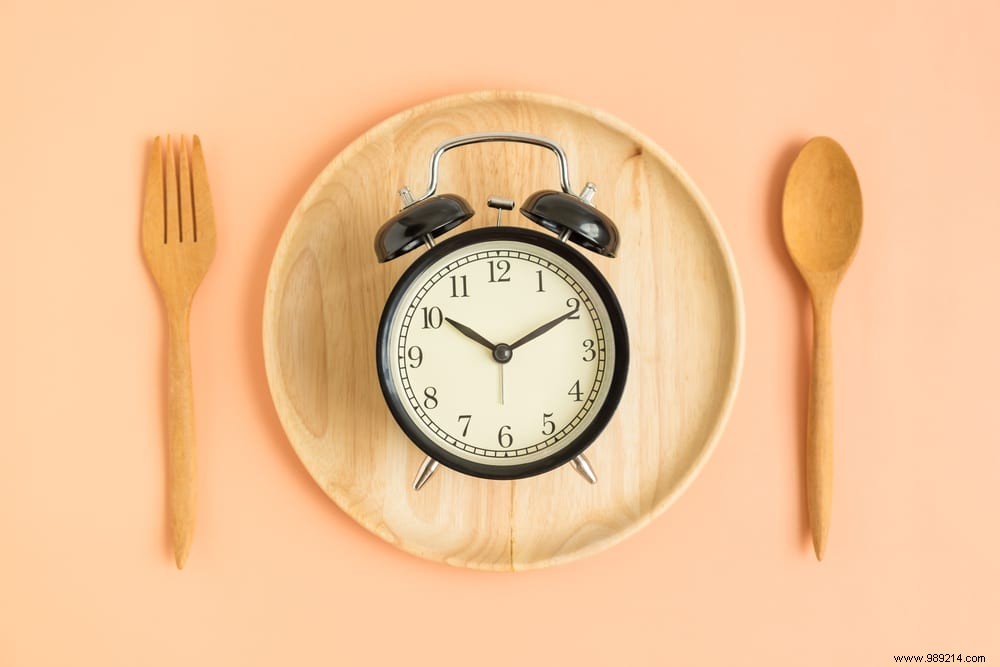
Chrononutrition is the science of eating exactly what your body needs, when it needs it, and in the right amounts. Developed by Dr. Alain Delabos, this method optimizes food intake based on your body's circadian rhythms. Discover its principles and evidence-based health benefits.
Chrononutrition isn't a traditional weight-loss diet but a strategic approach to nutrition. Created in 1986 by Dr. Alain Delabos and Dr. Jean-Robert Rapin, it tailors meals to individual biology and daily rhythms. The core idea: your body processes nutrients differently throughout the day, so timing matters for optimal assimilation.
While not designed solely for slimming, chrononutrition often promotes sustainable weight loss and maintenance. By balancing lipids, proteins, and carbs, it teaches mindful eating. For instance, fats and sugars digest efficiently in the morning but store as fat if eaten at night, naturally cutting evening calories.
Research links it to lower cholesterol, reduced cardiovascular risk, enhanced well-being, a slimmer silhouette, and better sleep—all without banning foods, except lactose sources like cow's milk and unfermented cheeses.
Chrononutrition leverages hormonal and enzymatic cycles. Mornings boost insulin (regulates blood sugar), lipases (break down fats), and proteases (process proteins). Midday peaks proteases and lipases; afternoons see more insulin. Evenings? Secretion drops sharply.
The rule: Match foods to peak assimilation times. Mismatches lead to storage.
Chrononutrition sets minimums for proteins, fats, and carbs—rarely maximums—encouraging satisfaction without excess. Follow the adage: Breakfast like a king, lunch like a prince, dinner like a beggar. Morning calories fuel the day; evenings stay light.
Snacking? Allowed 4 hours post-lunch if needed, focusing on fruits or plant-based sugars to avoid heavy dinners.
Apps to Master Chrononutrition
Ready to try? Apps like Yuka scan barcodes to track calories, lipids, and carbs, helping you align daily intake effortlessly.
Consult a nutritionist for personalized plans based on height, lifestyle, and needs. They'll distribute macros and suggest menus.
For a trial, here's a sample day:
Twice weekly, enjoy a flexible meal. Wait 4+ hours between meals.
Chrononutrition prioritizes balance over restriction, attuning you to your body's signals. For expert guidance, our fitness and nutrition coaches provide daily support.
Sources:
https://www.la-chrononutrition.com/
https://www.bichat-larib.com/publications.documents/4927_DAMOU_these.pdf
https://www.aufeminin.com/mincir/chrononutrition-s639116.html
https://www.youtube.com/watch?v=hGyI4h3G4oA
