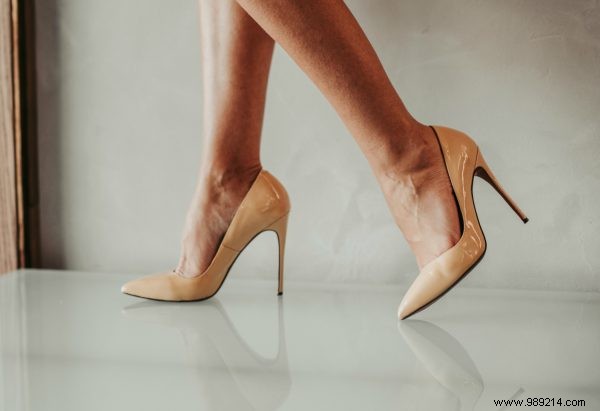
No pain, no gain—or so the saying goes. High heels aren't typically associated with comfort, yet most women have at least one pair tucked away in their closet. We slip them on for special occasions, work events, or nights out, drawn to how they elongate the legs and enhance that feminine silhouette. Their enduring popularity is underscored by extensive research: over 500 studies have explored the effects of high-heeled shoes, revealing potential health benefits when worn mindfully.
Read also: 'This makes walking in high heels less painful'
Iconic characters like Carrie Bradshaw from *Sex and the City* rarely stepped out without her designer heels—Louboutins, Jimmy Choos, or Manolo Blahniks. This cultural phenomenon aligns with science: research shows high heels positively influence sexuality and self-perception. Women report feeling sexier and more attractive in heels. Studies also indicate men respond differently, offering help more readily to women in heels versus flats—and the taller the heel, the stronger the effect. Subconsciously, heels signal allure, drawing more attention.
Regular, moderate heel-wearing acts like a workout for your ankles. It strengthens the muscles surrounding the ankle joint, particularly on the inner and outer sides. This benefit peaks with heels up to 7.5 cm. To avoid overuse and muscle weakening, alternate with flats, sneakers, or low heels—variety is key to maintaining strength and preventing fatigue.
Maximize comfort and health with informed purchases. Wedge heels distribute weight evenly across the foot, reducing pressure on the ball. Straps over the instep enhance stability. Always prioritize proper fit—use size charts from online retailers or get professionally measured, as ill-fitting shoes lead to imbalance and discomfort. For heels over 7.5 cm, limit wear to every few days, like once every three.
This article is a collaboration with Schoenen.nl
