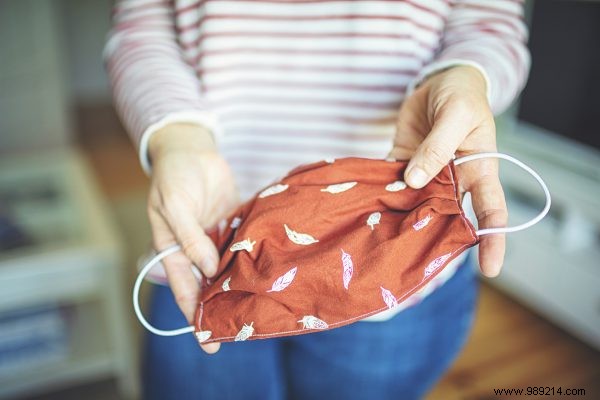
Face masks flew off the shelves during the COVID-19 pandemic and remain essential in public spaces. Despite widespread use, many people still make errors that reduce their effectiveness. As public health guidelines emphasize proper usage, we've outlined these six common mistakes to help you protect yourself and loved ones more reliably.
Read also: 'Original initiatives in times of coronavirus'
While it's fine to skip a mask at home, wear one in public where distancing is challenging, like supermarkets or public transport (where they're often required). The mask acts as a barrier, protecting you from others and preventing unwitting spread if you're infected. Better safe than sorry.
A proper fit is crucial: the mask should cover your nose, mouth, and chin securely, staying in place even when you speak. It shouldn't be too tight to breathe comfortably, but snug enough to your face for optimal protection and stability during activities.
Masks prevent virus spread, so avoid taking them off to talk or cough. Touching any part—even the front—increases contamination risk, especially if you touch your face afterward. Minimize contact with your mask while wearing it.
Never put on a mask with dirty hands. Always wash or disinfect first. If you touch it while wearing, disinfect again. At home, remove by the straps or ear loops, fold inside-out, and launder (or discard if disposable). Wash hands immediately after.
Just like underwear, masks need regular changes. Wash reusables or discard disposables after use. Dirty masks retain pathogens, and disposables lose effectiveness as filters degrade or elastics weaken. Always switch to a fresh one.
In a rush, it's easy to forget—but turn back for it. Public transport bans apply, and it's vital for safety. Keep spares in your bag or car, and add 'mask' to your exit checklist: keys? Phone? Mask? Check!
