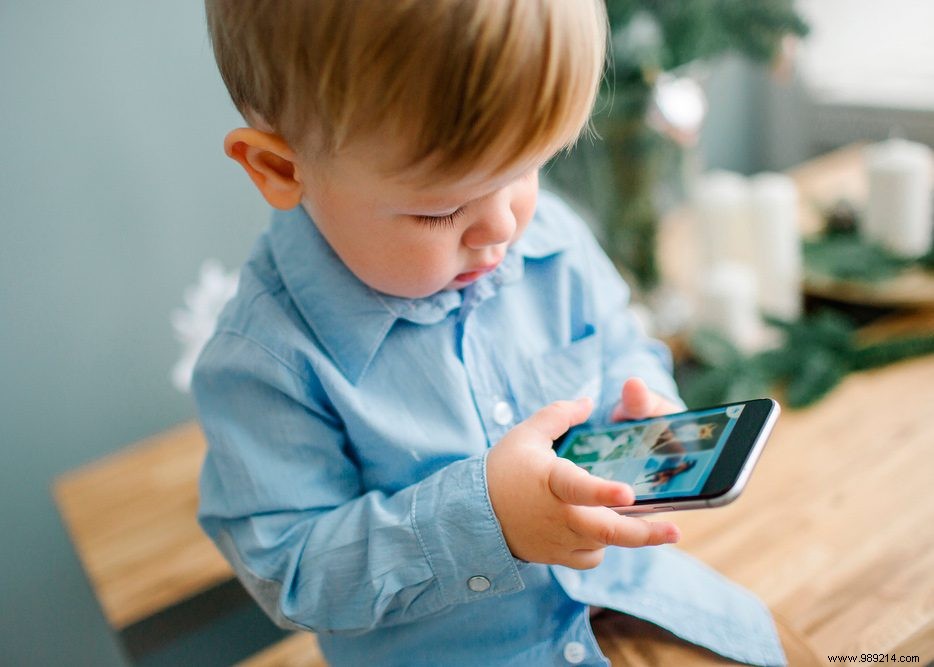
Research consistently shows that excessive screen time on smartphones or tablets can harm children's developing eyes. Alarmingly, 25% of 13-year-olds are now nearsighted. What causes this rise, and what does it mean for adult eyes?
Children often focus on nearby objects too much, whether on screens or books, which contributes to these issues.
Why does near work harm children's eyes? Human eyes are designed primarily for distance vision. Focusing on close objects requires extra effort. In children, whose eyes are still developing, frequent near focus causes the eyeball to elongate into an oval shape. This makes near vision easier but leads to blurry distance vision—a hallmark of myopia.
What about adults?
Adult eyes are fully developed, so the risk of permanent changes is lower. However, prolonged screen use can still cause eye strain and fatigue.
How to prevent myopia? While genetics play a major role, children's lifestyles significantly influence eye health. Follow the 20-20-20 rule: every 20 minutes of screen time, look 20 feet away for 20 seconds—recommended for kids and adults alike. Encourage at least two hours of daily outdoor play, as natural daylight supports healthy eye development.
