
Beauty ingredients can hide serious risks beyond their appealing promises.
A UFC-Que Choisir study revealed that over 237 common cosmetic products contain harmful toxic substances.
These questionable ingredients are ubiquitous in everyday beauty items. Research shows at least 1 in 8 cosmetic ingredients is an industrial chemical.
Some are scientifically proven carcinogens; others double as pesticides.
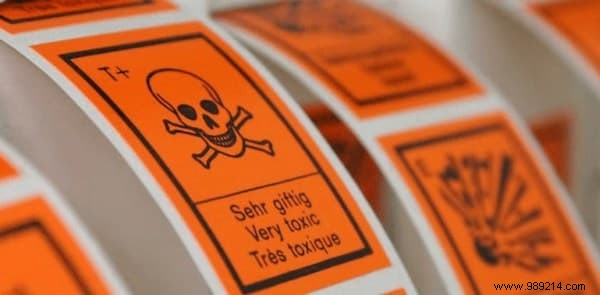
Additional concerns include fertility disruption and endocrine interference. Compounding the issue, many products feature potent chemicals like plasticizers (for thinning cement), degreasers (for engines), and surfactants (in industrial paints and inks).
Exposure to cement additives, engine cleaners, or paint chemicals on your skin raises valid concerns for health and the environment.
Check your bathroom cabinet: In my experience, 80% of household cosmetics include at least one of these 12 most hazardous ingredients. The good news? You can easily avoid them by reading labels before purchase. Here's the list:
Butylated hydroxyanisole (BHA) and butylated hydroxytoluene (BHT) act as preservatives in moisturizers and makeup.
Both are endocrine disruptors; BHA is linked to cancer risks. They also harm the environment and wildlife. In the EU, BHA is E320 and BHT is E321.
p-Phenylenediamine (PPD), derived from coal tar, appears in hair dyes.
Also beware of dyes labeled "CI" plus five numbers—PPD is carcinogenic and may contain brain-toxic heavy metals.
Note: Some "CI XXXX" match food colorings like EXXX. Examples:
CI 14720 = Carmoisine Red = E122
CI 75300 = Curcumin = E100
CI 75810 = Chlorophyll = E140
To see the full dye codes list, click here.
Diethanolamine (DEA) features in creams, body milks, and shampoos for foaming.
It forms carcinogenic nitrosamines and harms aquatic life. Steer clear of monoethanolamine (MEA) and triethanolamine (TEA).
DBP plasticizes nail products and is suspected of endocrine disruption and fertility issues. It's toxic to fish and wildlife.
Scan labels for DMDM hydantoin, diazolidinyl urea, imidazolidinyl urea, methenamine, or quaternium-15. These antimicrobials release formaldehyde (formalin), a known carcinogen.
Common preservatives suspected of endocrine disruption and male reproductive harm. Many products now claim "paraben-free," but replacements can be equally problematic.
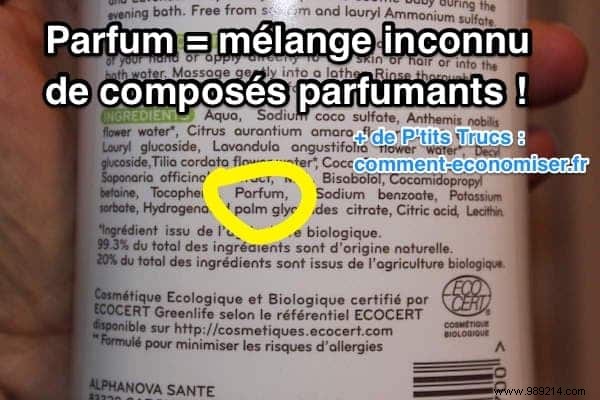
"Parfum" masks multiple compounds, even in "fragrance-free" items. They trigger allergies, asthma, neurotoxicity, cancer risks, and environmental damage.
Polyethylene glycol (PEG) thickens liquid soaps, moisturizers, and shampoos but often contains carcinogenic 1,4-dioxane. Avoid propylene glycol (PG) and "eth"-bearing variants like polyethylene glycol.
This petroleum jelly (Vaseline-like) adds shine to hair and seals moisture in lip balms, lipsticks, and creams. However, it's contaminated with carcinogenic PAHs.
Avoid ingredients ending in "-siloxane" or "-methicone" in lipsticks, shampoos, and deodorants. Cyclotetrasiloxane is an EU-classified endocrine disruptor affecting reproduction and wildlife.
Found in shampoos, cleansers, and bubble baths for foam. Contaminated with 1,4-dioxane. Avoid sodium lauryl sulfate (SLS) and "eth" variants like lauryl ether sulfate.
Antibacterial agent in toothpastes, face washes, and deodorants. It's an endocrine disruptor promoting antibiotic resistance and harming aquatic life.
Minimize cosmetic use—many are unnecessary and costly. Opt for certified organic options when possible. For full control, make your own with natural recipes from comment-economiser.fr:
