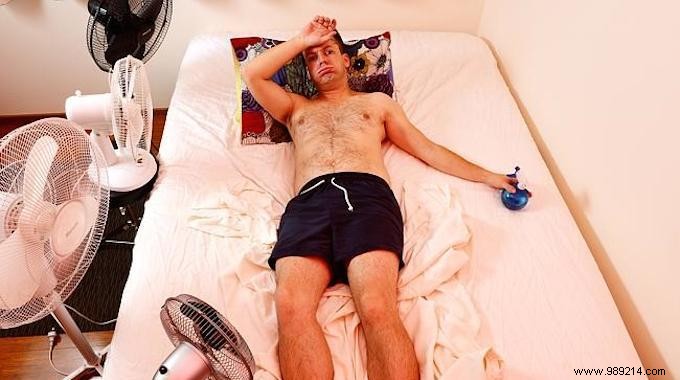
Sweltering summer nights can make sleep elusive, especially without air conditioning. We toss, turn, and sweat through the heat. But our grandparents managed scorching summers without modern cooling—using simple, time-tested tricks that actually work.
With years of experience navigating heatwaves in non-AC homes, I've refined these 21 practical strategies to help you cool down effectively and rest better. Here's how:

Swap out satin, silk, or polyester for lightweight cotton sheets—like this one for example. Cotton breathes better, promoting airflow and ventilation in your bed and bedroom for a cooler sleep surface.
Pop your sheets in a plastic bag and place them in the freezer for 10-15 minutes before bed (skip if you love frozen pizza scent). They'll provide an initial burst of coolness to help you drift off.
This versatile tool works year-round: Fill with hot water in winter for warmth, or freeze it in summer to cool your bed without spiking energy bills.
Don't just circulate hot air—position fans to blow warm air out the window. It's most effective evenings when outdoor temps drop below indoor levels.
Wet a sheet or towel in cold water, wring it thoroughly (or spin in the washer), and drape over yourself. Add a dry towel underneath to protect the mattress. The evaporation cools your body effectively.
Opt for loose, breathable cotton pajamas. Skip silk or synthetics—they trap heat. Even sleeping nude can hinder sweat evaporation; light cotton aids it better.
Place a frozen water bottle or bowl of ice in front of a fan. The air cools as it passes over the ice. No fan? We recommend this one.
Point one fan inward at an open window to pull in cooler outdoor air, and use additional fans for maximum airflow throughout the room.
For quick relief, apply ice packs or cold cloths to wrists, elbows, neck, groin, ankles, and behind knees—these hotspots regulate body temperature fast.
Body heat multiplies in close contact. Sleep alone or with space between partners to keep the bed cooler and drier.
Mattresses trap heat and moisture; hammocks allow full air circulation. Feeling adventurous? Try one—if you don't have space, we recommend this model.
Drink one glass of water to prevent nighttime dehydration from sweating. Limit to two to avoid bathroom trips.
End your evening with cold water—no hot water needed. It drops core temperature, rinses sweat, and leaves you refreshed.
Hot air rises, so floor-level is coolest—use tiles if possible. In multi-story homes, head to the basement or ground floor.
All bulbs emit heat. Maximize natural evening light and use minimal artificial lighting to keep rooms cooler.
Over an open window, a wet sheet cools incoming breeze through evaporation, dropping room temperature noticeably.
Skip oven meals; opt for salads or BBQ outside. Light, digestible dinners generate less internal body heat than heavy foods.
Feet have key pulse points—immerse them in a basin before bed or keep one nearby for overnight relief.
Standby devices produce sneaky heat. Unplug everything unused to cut heat and save energy.
If safe, pitch a tent in the yard or on the roof—outdoor air is often cooler, and it's fun for family bonding.
Spread arms and legs wide for maximum airflow and heat dissipation. You'll sweat less and cool faster.
