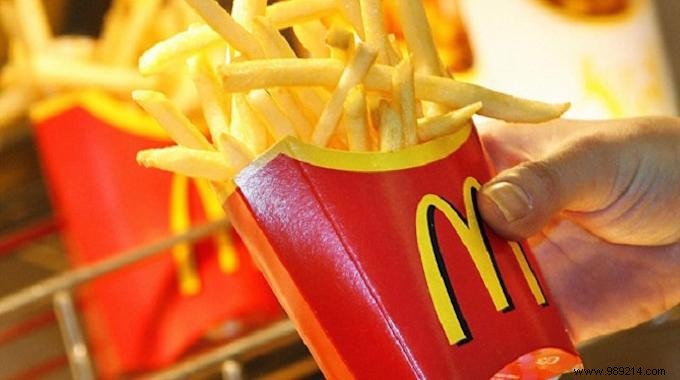
McDonald's is the world's largest fast-food chain, renowned for its global presence and affordable meals. Yet, its menu raises health concerns backed by scientific research linking frequent fast-food intake to risks like diabetes, cancer, and cardiovascular disease.
While convenience drives its popularity—in airports, malls, and city centers—experts recommend balanced alternatives. Note that ingredients can vary by country. Here's a closer look at 10 additives commonly used in McDonald's products and associated health risks, drawing from authoritative sources like the WHO and scientific studies.

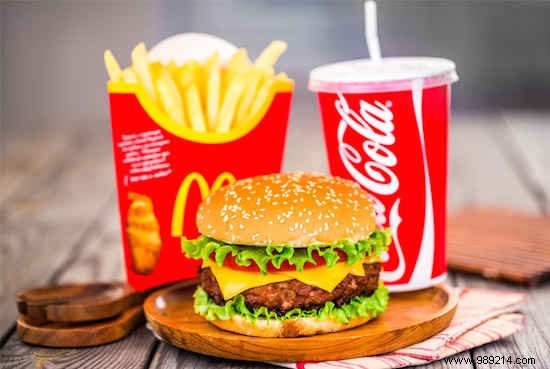
French fries, a staple at every McDonald's worldwide, contain acrylamide—a compound that forms during high-temperature frying, as detailed on Wikipedia. Levels are notably high in their fries.
The World Health Organization flags acrylamide as a probable carcinogen, with animal studies showing fertility impacts. Cooking time matters: darker, over-fried fries have higher concentrations.
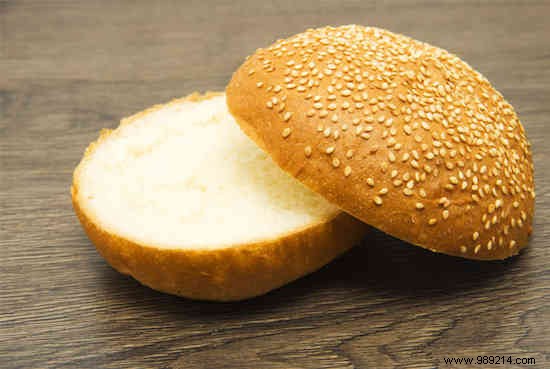
Hamburger buns across McDonald's menus contain azodicarbonamide, a dough conditioner also used in yoga mats and shoe rubber for its foaming properties.
It's banned as a food additive in the EU, and Singapore imposes severe penalties for its use. McDonald's also uses partially hydrogenated soybean oil in some products, high in trans fats linked to heart disease, type 2 diabetes, and elevated LDL cholesterol.

This synthetic leavening agent appears in items like egg sandwiches. The Center for Science in the Public Interest warns that excess intake may disrupt mineral balance, potentially contributing to osteoporosis.
In concentrated form, it can irritate eyes, skin, or respiratory tract upon exposure.
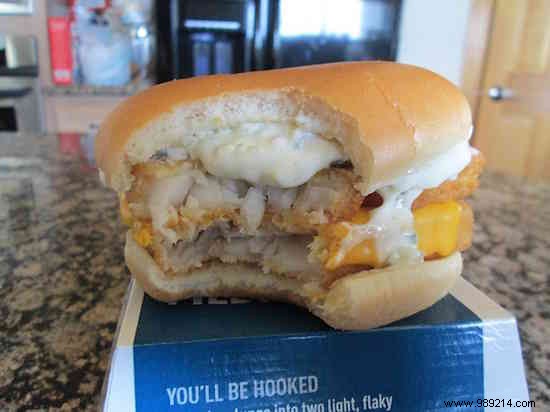
Used as an anti-foaming agent in frying oils for French fries, Filet-O-Fish, and Chicken McNuggets, this silicone-based compound is also found in cosmetics, shampoos, and medical implants.
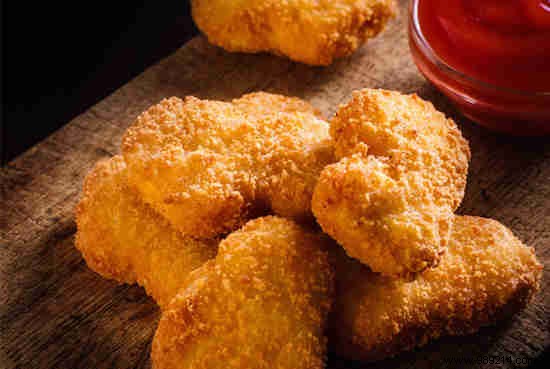
The oil for Chicken McNuggets includes TBHQ, a petroleum-derived preservative also used in eyeshadow. Studies highlight its potential toxicity and poor biodegradability.
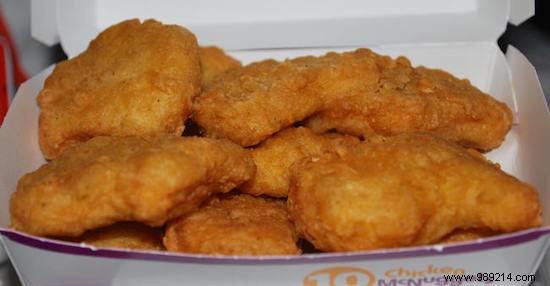
Found in Chicken McNugget batter, research suggests links to Alzheimer's disease risk.
Related reading: Grandparents Who Babysit Have Less Risk of Developing Alzheimer's.
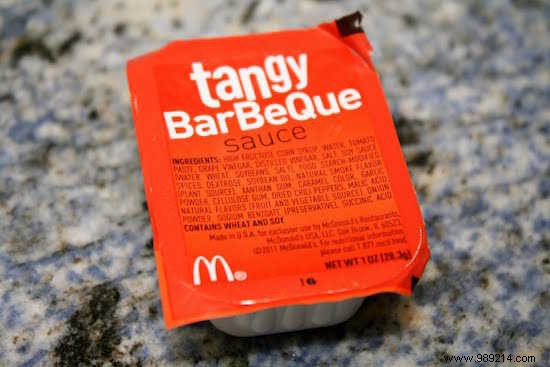
Present in sauces and sodas, a UK study links sodium benzoate combined with artificial colors to hyperactivity in children, advising avoidance.
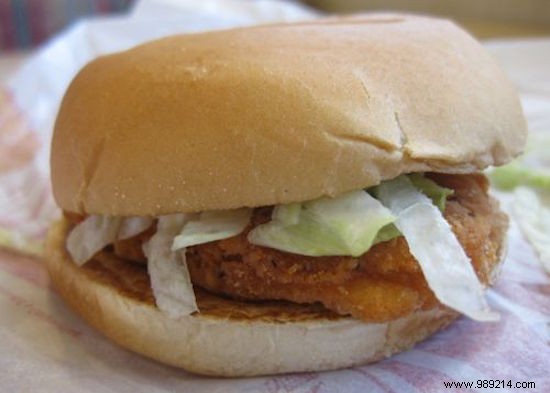
A flavor enhancer blending disodium inosinate and guanylate, used in chicken items and sauces. Disodium guanylate poses risks for infants under 3 months, asthmatics, and gout sufferers.
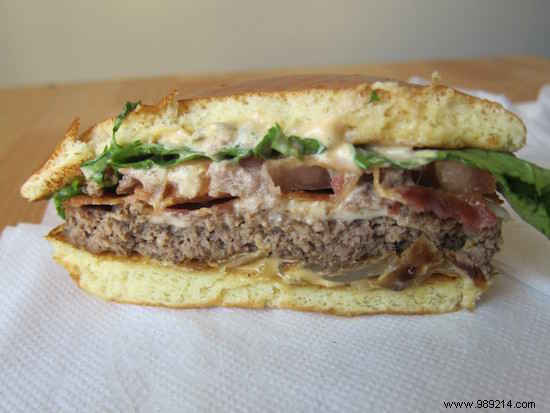
This dough conditioner in buns can trigger sulfite allergies, linked to skin issues, fatigue, diabetes, bloating, joint pain, and memory problems. It's also used in waste treatment and bleaching.
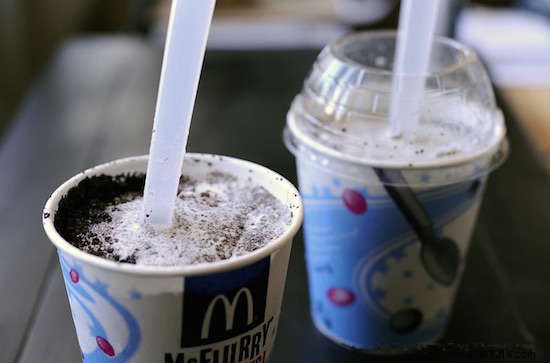
McDonald's marketing compares HFCS to table sugar, common in retail products. However, studies associate it with obesity and cardiovascular risks.
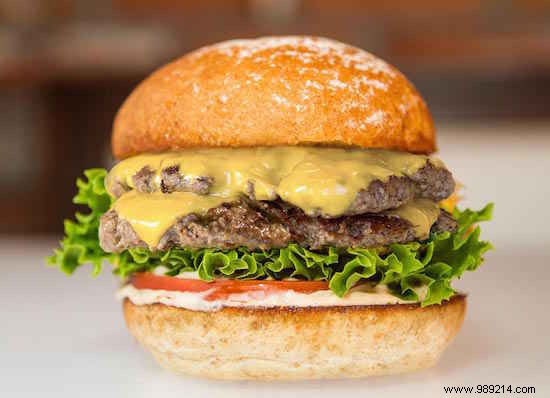
McDonald's oils, buns, and sauces often include these additives. Opt for homemade versions with quality ingredients: The American Cheeseburger Recipe Cheaper than Fast Food, Finally The Secret Big Mac Sauce Recipe for Your Homemade Burgers, and Homemade Fries: 4 Recipes Cheaper and Better Than Frozen!.
Share your thoughts on other ingredients in the comments.
