
Making decisions is rarely straightforward, especially when they're important.
When facing a major choice, stress and sleepless nights often follow.
From buying a house, getting married or divorced, relocating for work, quitting your job, or even selecting a movie, these decisions can drain you emotionally.
Fortunately, proven techniques exist to help you evaluate options clearly and effectively.

If you're stuck on a big decision, here are 4 strategies that have worked for me in real life:

Tough decisions can cloud your judgment with emotions, making objectivity hard.
A powerful technique is to step back and pretend you're advising a close friend in your exact situation.
This simple shift helps bypass emotional biases that distort clear thinking.
While you can't eliminate feelings entirely, recognizing their influence is a start.
This works best for high-stakes personal choices, like selecting a city to move to—not routine tasks like picking a moving company.
This method guided my own relocation decision. I created an imaginary friend facing the same dilemma, then brainstormed questions I'd ask them, risks to highlight, and key info to research for each city.
It requires some mental effort, but the clarity it brings is invaluable. You could call a real friend instead, but this is quicker and always available.

More data doesn't always mean better decisions—too much information leads to overload.
Your brain struggles with excess, overvaluing minor details as it hates uncertainty, which feels risky.
Missing info triggers alarms, causing overestimation of its importance. Endless research or conflicting opinions from friends only complicates things.
During my move, I hit this wall with too many facts and views. The fix? I narrowed it to trusted sources: opinions from just 3 reliable friends.
Key realization: most decisions aren't irreversible. A cross-country move feels huge, but if it doesn't work, you can relocate again. Same for smaller choices—I cap trivial ones at 2 minutes.
Detach from over-dramatizing outcomes to focus on essentials and decide faster.

Building on the friend-advice trick, go further by questioning your core assumptions.
We default to familiar patterns, but breakthroughs come from stepping outside comfort zones—sometimes choosing the opposite of your instinct.
When weighing options, add a wildcard: the reverse of your usual preference. Vividly imagine living with that choice.
For my move, I included unappealing regions. Surprisingly, they revealed overlooked benefits, shattering my biases about what mattered most.
This doesn't confuse things; it uncovers true priorities. Try these steps:
1. List your biases on the topic.
2. Flip each to its opposite.
3. Visualize implementing the reverse.
This fresh perspective sharpens what truly counts, even if you skip the wildcard.
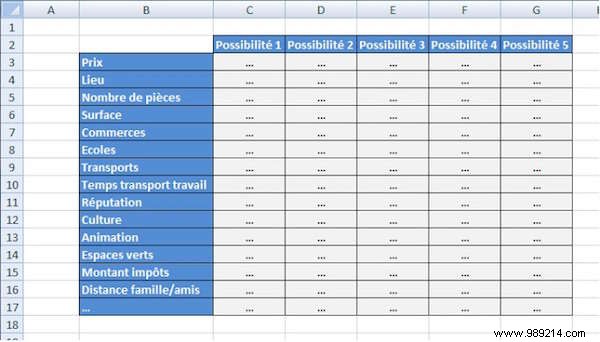
If you're visual, Excel spreadsheets excel at decision-making (pun intended).
They provide a clear, at-a-glance overview. Columns for pros/cons, ratings, or rankings; rows for each option.
This helped me select both a new city and a reliable moving company.
Customize columns to your needs—for my move, cities got 'for' and 'against' lists. Tailor it to simplify and illuminate choices instantly.

What counts as a 'big' decision varies, but these techniques build confidence across the board.
They gave me a balanced view during my move, without drowning in data, reducing stress and regrets.
Decisions demand time and energy—use these to streamline the process. What's your take? Share in the comments!
