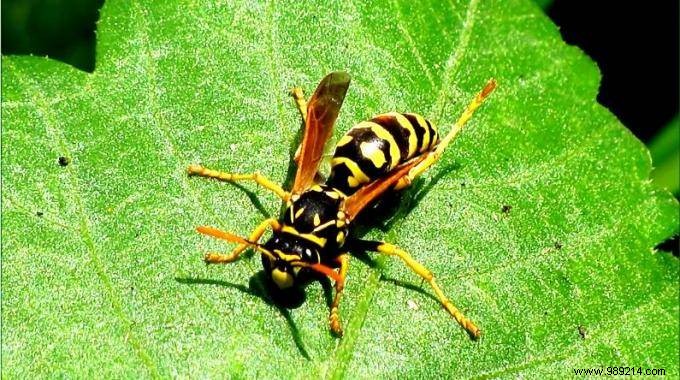
Getting stung by a wasp, bee, or hornet is painful and uncomfortable. As a first-aid enthusiast with years of experience using natural remedies, I've relied on these proven methods when pharmaceuticals aren't handy. Here's how to safely relieve stings using items you likely have on hand.
The approach is similar for bee, wasp, or hornet stings, with one key difference: bees leave their stinger behind, continuing to release venom until removed.
Bees leave a stinger that keeps injecting venom. Inspect the area and gently remove it with your fingernail or tweezers—avoid squeezing or crushing it to prevent more venom release.
Next, monitor for allergic reactions, even if you've never had one before. Watch for:
If any occur, mark the sting location with a pen and seek medical help immediately. Otherwise, proceed confidently—these stings are rarely serious.
In nature, like during a picnic or hike, turn to plants for quick soothing:
Vigorously rub the fresh leaves on the sting as needed.
No plants? Ask a smoker for their cigarette butt or use leftover charcoal from a barbecue. Apply gentle heat from a source—the warmth denatures the venom and eases pain. Continue at home with the steps below.
Skip straight to these if already indoors after stinger removal.
Try these trusted remedies:
Repeat as pain returns. Relief typically comes within hours. These natural options are safe, effective, and avoid pricey pharmacy buys.
What's your go-to for insect stings? Share in the comments—I'd love to hear your experiences!
