Struggling with cold feet this winter? Keeping your toes warm can be challenging, but simple, affordable strategies make all the difference.
As someone who's always run cold and used to battle frequent illnesses from chilly extremities, I turned to my podiatrist for advice. These tips transformed my routine—no more frozen toes, regardless of the weather.
Here are 18 proven tips to keep your feet warm all winter. Watch: 

Cotton socks may feel familiar, but they trap moisture from sweat and dry slowly, leaving your feet chilled. Opt for polyester or wool instead, especially in wet, cold conditions.
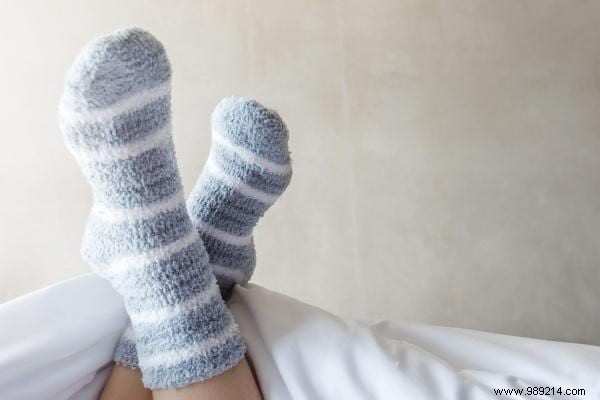
Wool excels at warmth without itchiness, thanks to its thermoregulating properties. It manages moisture effectively—repelling water while absorbing and evaporating it to prevent cooling. Choose socks with at least 70% wool for best results.
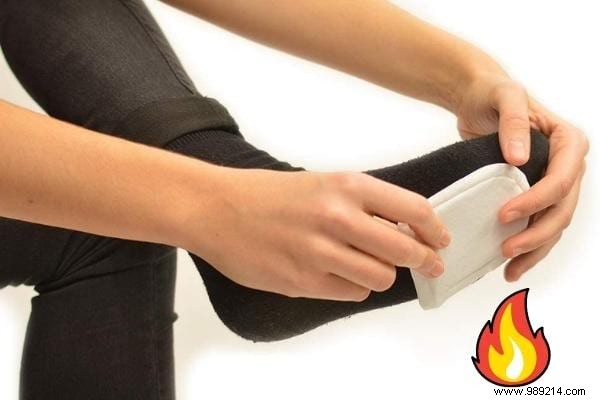
Toe warmers are small, effective pads that slip into any shoe under your toes, delivering reliable heat. Ideal for extreme cold when your feet need extra protection.
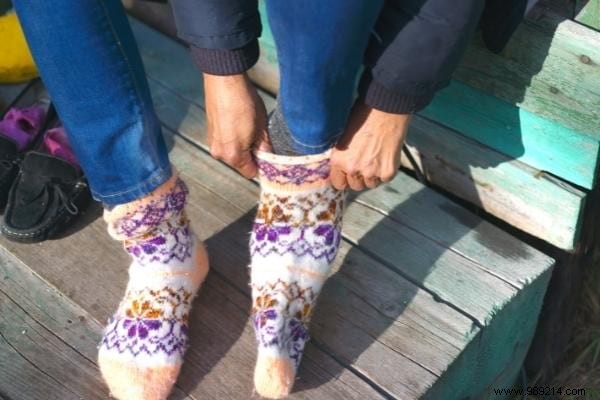
Doubling up works if done right: Start with thin silk socks, then layer wool over them. This avoids compressing feet, trapping moisture, or restricting circulation, which can worsen coldness.
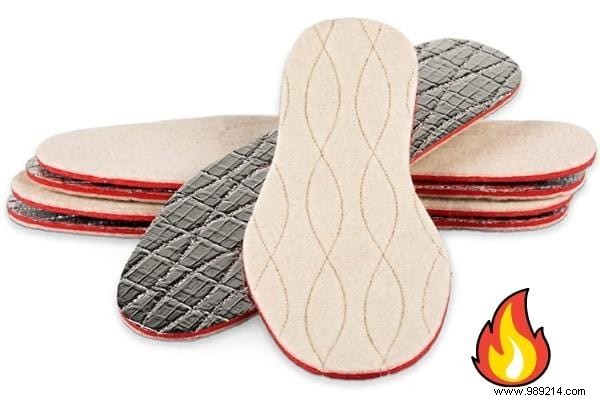
Thermal insoles block ground cold effectively. Pair with thermal tights for complete protection—they retain heat while controlling odors. The difference is noticeable right away.
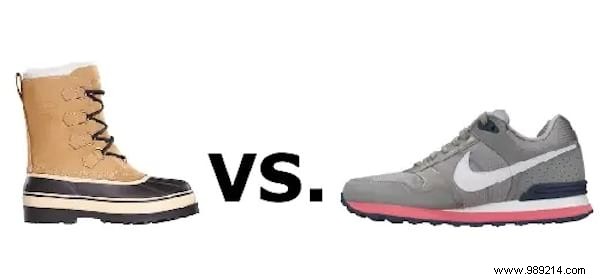
Match socks to shoes: Thin for insulated boots, thick for lighter sneakers. Adapt based on activity—hunting, skiing, or sports—for optimal warmth.

Combat cold holistically: Stay hydrated with hot drinks, eat protein-rich foods, vitamin C fruits/veggies, and vitamin E sources like nuts and olive oil. Skip caffeine, nicotine, and alcohol—they constrict blood vessels, reducing circulation.
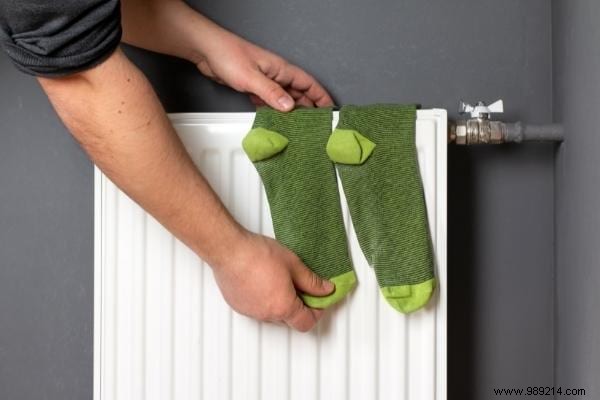
Pre-warm socks safely: Use a dryer for 10 minutes, iron them, or tuck heated silk balls into shoes. Avoid direct heat sources to prevent damage, and never wear damp ones.
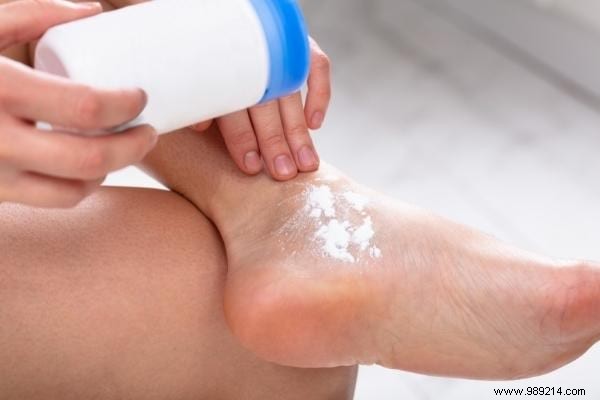
Talc reduces moisture on insoles, minimizing sweat and cold. Sprinkle in shoes or slippers for drier, warmer feet.
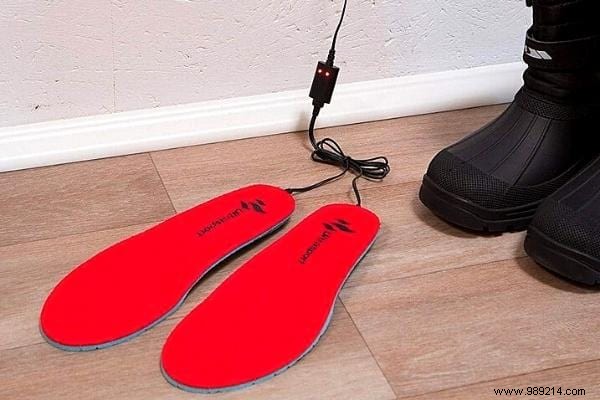
Heated insoles, battery- or plug-powered, provide hours of warmth with remote control. Heated socks offer similar benefits from leading brands.

Boost circulation with twice-daily massages: soles, toes, tapping, wiggling. Walk 5 minutes hourly, or do 30-50 leg swings at a desk to warm feet naturally.
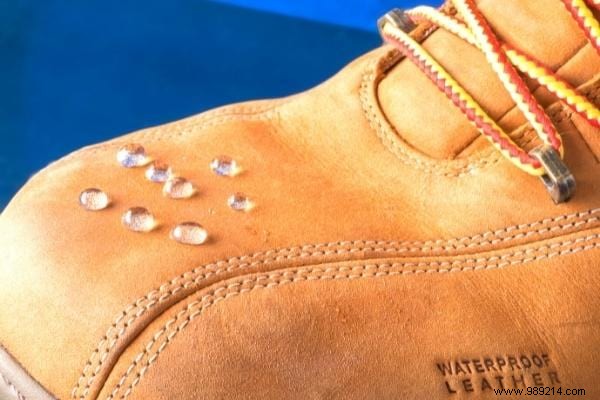
Waterproof shoes prevent rain or snow ingress. Use natural treatments if needed—even lined boots need this barrier for dry, warm feet.
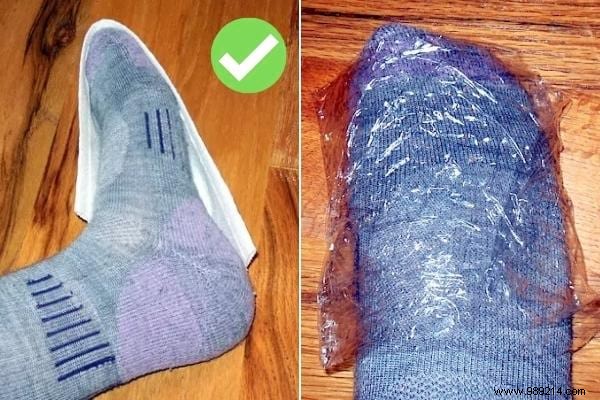
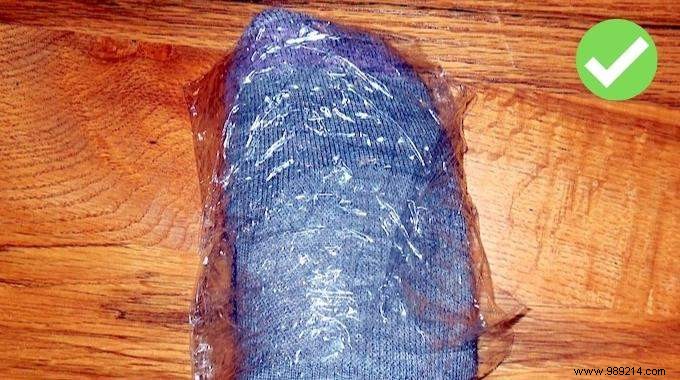
Paper towels or plastic wrap create insulation: Wrap tops and toes before shoes. Thin film allows thick socks while blocking cold air.
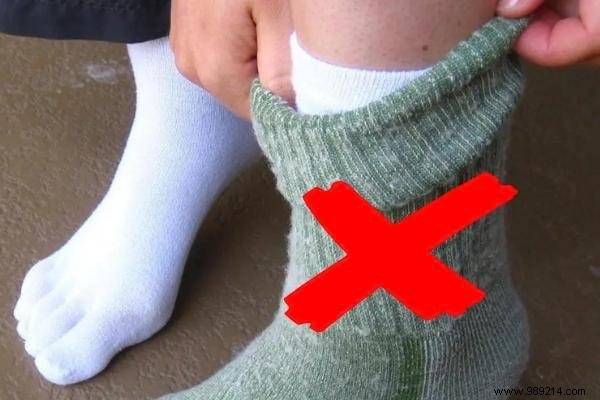
Overly thick socks compress feet, impairing circulation. Ensure toes wiggle freely for comfort and warmth.
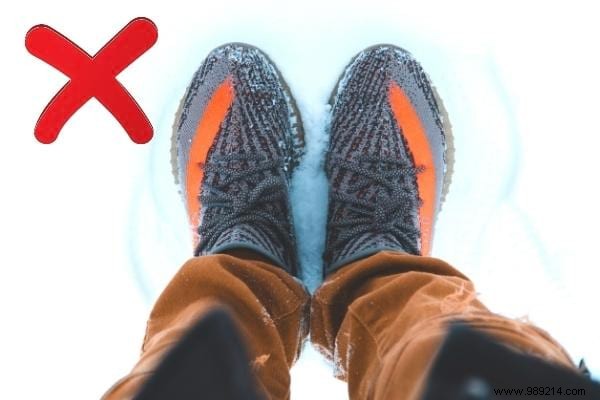
Sneakers ventilate too much for winter. Choose leather or tight-weave fabrics to limit cold air entry.
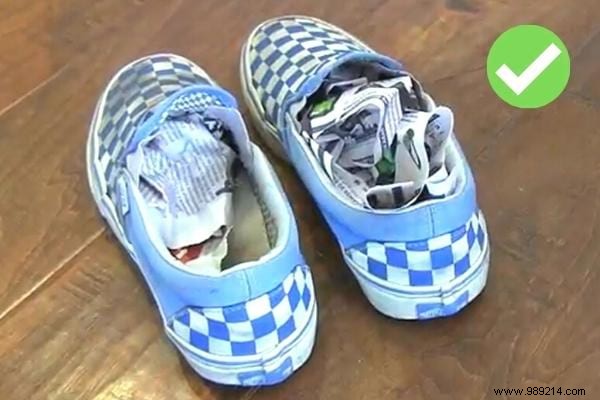
Newspaper acts as a free insulator in dry, cold weather—stuff into shoes to block drafts. Popular among cyclists; avoid rain.
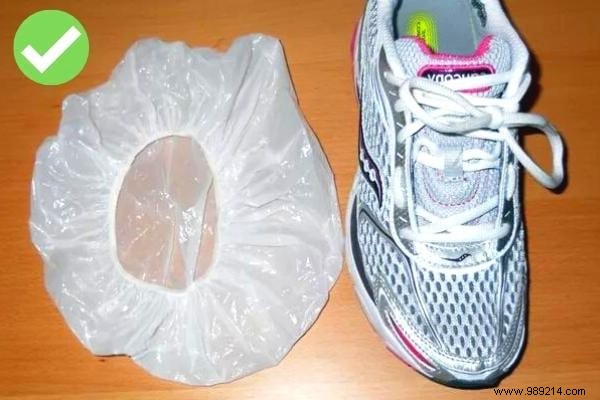
Waterproof shower caps over socks create a moisture barrier inside shoes, keeping feet dry and protected.

Head heat loss cools the body overall. A hat or chapka retains warmth, benefiting extremities like feet.
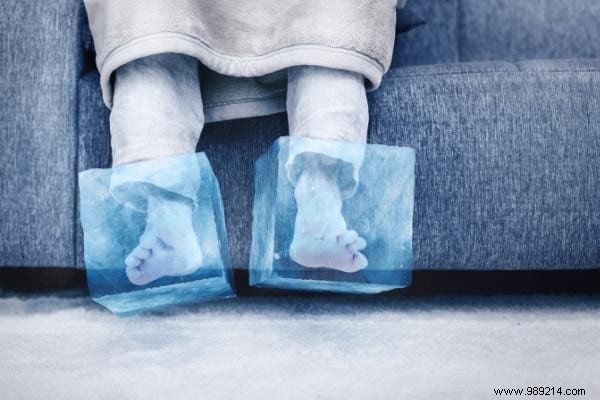
The body prioritizes vital organs in cold, reducing flow to extremities. Women feel it more due to physiology; poor circulation from tight socks/shoes, diet, cholesterol, or conditions like anemia, diabetes, or thyroid issues worsens it.
Effective shoes block ground cold: Waterproof assembly (Goodyear/Norwegian stitching), rubber/gum soles (better than leather alone), lined interiors. Fit snugly without restricting circulation.
Wool socks pair best with good shoes: They wick moisture, thermoregulate, fight odor. Ditch synthetics to break the sweat-cold cycle.
Rub hands warm, apply rich cream, knead soles with fists (heel to toes, 5 min), then circle with thumbs. Instant circulation boost.
