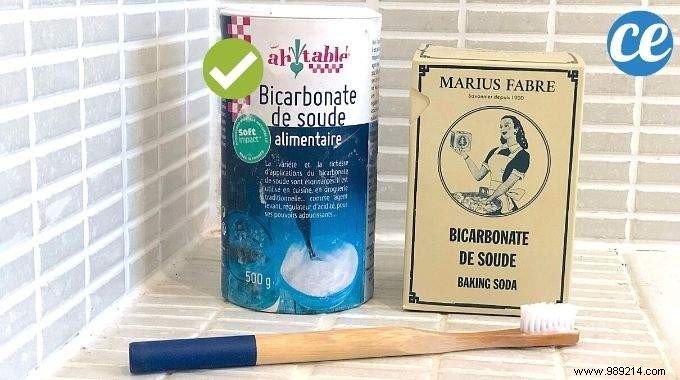
As a dental care expert with years of experience recommending natural remedies, I'll guide you on selecting the right baking soda for safe teeth whitening and oral hygiene.
Baking soda, or sodium bicarbonate, is a proven natural solution for brighter teeth, fresh breath, and cavity prevention.
Yes, you can even make homemade toothpaste with it—but choosing the correct type is crucial to protect your enamel.
Food-grade, technical-grade, or pharmaceutical-grade: which one? Here's what you need to know.
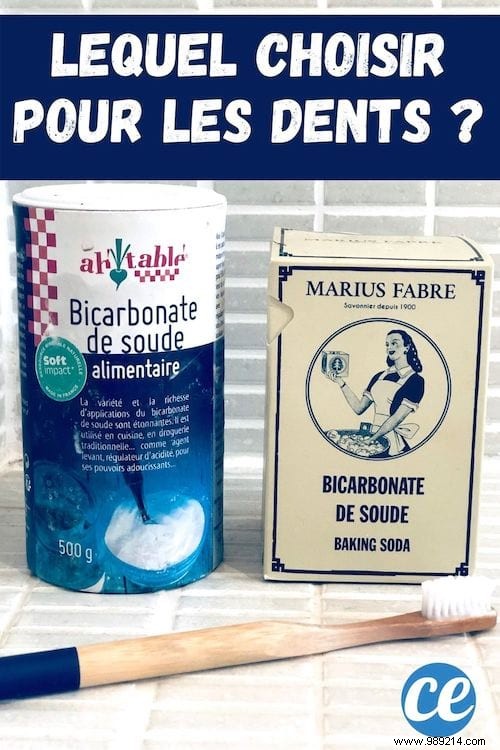
To clarify: Chemically, food-grade and technical baking soda are identical—both pure sodium bicarbonate (NaHCO₃).
The key difference? Food-grade baking soda is purer, with finer grains and undergoes rigorous testing for contaminants.
This ensures it's safe for ingestion and oral use.
Technical-grade may contain impurities unsuitable for health applications.
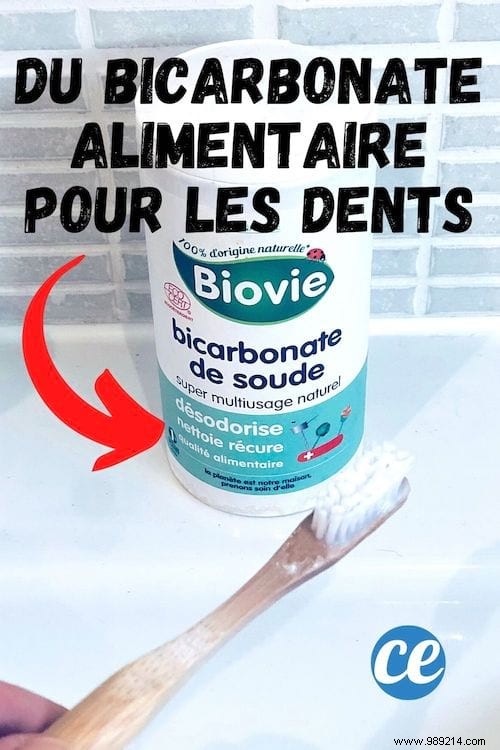
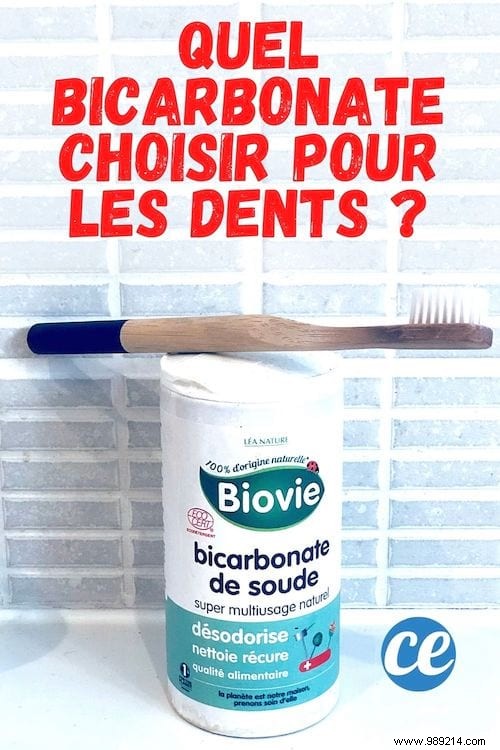
For dental care, always choose food-grade baking soda. It's high-quality, affordable, and risk-free when used properly.
Pharmaceutical-grade (officinal) is even purer but pricier—food-grade strikes the perfect balance.
Baking soda offers gentle, enamel-safe abrasion, which is why it's a common ingredient in commercial toothpastes.
Its fine particles polish away surface stains from coffee, tea, or tobacco through mild friction—without harsh chemicals.
It also neutralizes acids, kills oral bacteria, fights plaque, prevents cavities, and eliminates bad breath.
Food-grade's finer texture makes it even gentler on enamel.
Rest assured: Food-grade baking soda won't scratch enamel. Its Mohs hardness is about 2.5—similar to fingernails.
Tooth enamel rates 5 on the Mohs scale, so baking soda is too soft to cause damage, just like your nails can't scratch teeth.
The simplest method: Brush normally with toothpaste, then sprinkle a pinch of baking soda on your wet toothbrush and brush gently for 1-2 minutes.
Limit to once a week. For enhanced results, mix with a drop of lemon juice or 3% hydrogen peroxide—but test for sensitivity first.
Rinse thoroughly for naturally whiter teeth.
Never confuse baking soda with these dangerous alternatives:
- Caustic soda (NaOH): Highly corrosive—causes severe burns. If ingested, seek emergency help immediately.
- Soda crystals (sodium carbonate) or soda percarbonate: Too abrasive and alkaline for teeth.
Always consult your dentist before starting natural remedies. Buy food-grade baking soda from the baking aisle (salt section) of supermarkets.
Used correctly, it's a safe, effective addition to your routine.
