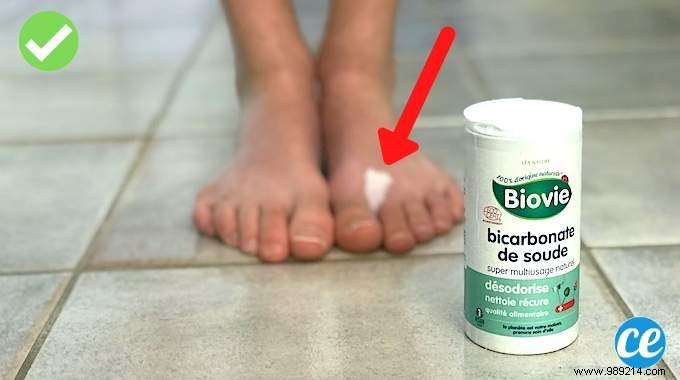
Fungal infections, or mycoses, account for about 10% of skin conditions. While typically not serious, they cause significant daily discomfort—think persistent itching, redness, tingling, and irritation. There's no need for harsh treatments like cortisone creams. Instead, this straightforward baking soda paste offers a gentle, natural solution backed by its antifungal properties.
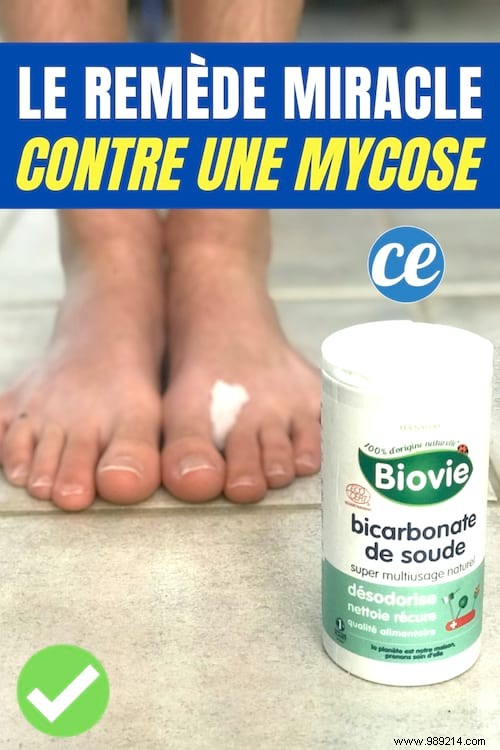
Apply a baking soda paste directly to the affected area for reliable results. Here's how:
 Contents
 1. Add one tablespoon of baking soda to a cup.
2. Add about one teaspoon of water.
3. Mix into a thick paste.
4. Using clean fingers, apply the paste to the affected area.
5. Leave it on for 10 minutes.
6. Rinse with clean water.
7. Pat dry with a clean towel.
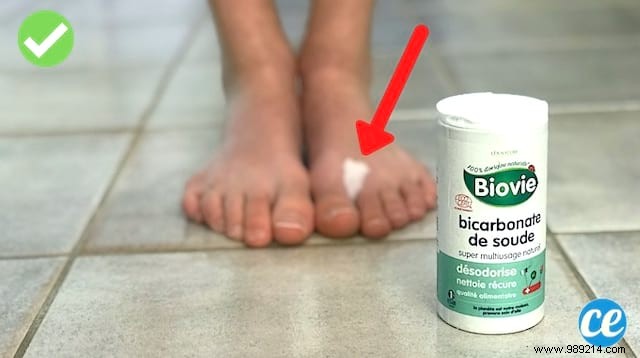
This simple remedy can effectively clear up fungal infections naturally. Practical, easy, and reliable—no more scratching until it bleeds.
It works for various types, including oral, vulvar, foot, and nail fungi. Repeat 1-2 times daily as needed, without a prescription.
Additional tips for best results:
- Wear breathable pure cotton clothing and underwear during treatment. Wash at 60°C to kill fungi.
- Change shoes, socks, tights, and underwear at the first sign of infection.
- Soak them in a water-vinegar or baking soda solution.
- Machine wash everything possible.
- Always wash hands thoroughly before and after application.
Baking soda acts as a natural fungicide, dehydrating fungi on contact. It also reduces excess moisture—key for areas like between toes—creating an inhospitable environment for growth. Skin clears as fungi die off.
Though effective for quick relief, consult a doctor for persistent or recurrent infections to rule out underlying issues.
Fungal infections are caused by microscopic fungi that parasitize the skin, leading to irritation and intense itching. They flourish in warm, moist areas like skin folds, between fingers or toes, under nails, on the face, mouth, tongue, armpits, or intimate zones such as the glans or vulva.
