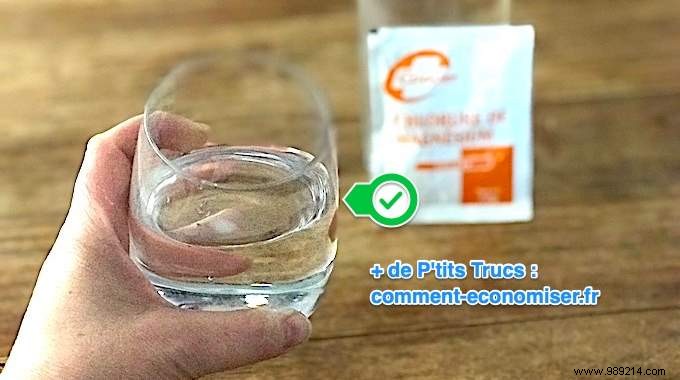
Seeking a natural way to support bone health and help prevent osteoporosis? This condition primarily affects women over 50, weakening bones and increasing fracture risk. Prevention is essential, as advanced cases can be painful.
Research-backed strategies show that magnesium plays a key role in calcium absorption, vital for bone strength. A targeted magnesium chloride regimen offers a simple, effective approach. See details below:
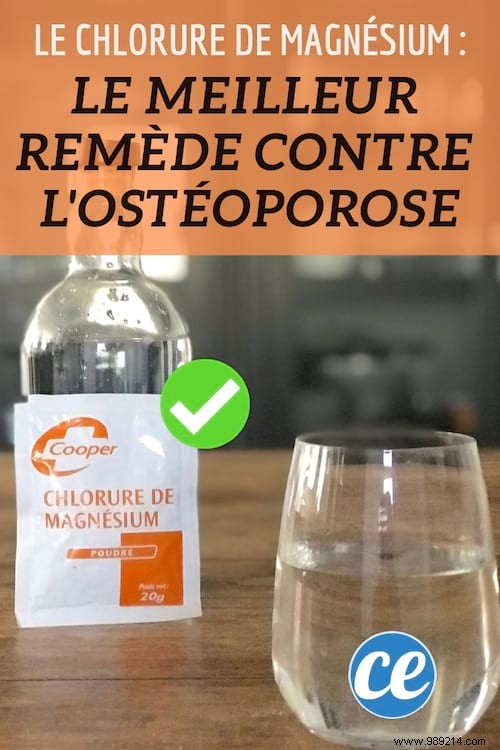
1. Fill a 1-liter bottle with water.
2. Add 20 g of magnesium chloride flakes.
3. Shake well to dissolve the powder completely.
4. Drink half a glass in the morning and evening, before meals.
5. Continue for about 10 days.
This protocol helps address magnesium deficiencies, supporting better bone health and reducing osteoporosis risk. It's straightforward, natural, and effective.
Additionally, it may alleviate stress, anxiety, irritability, and fatigue commonly linked to low magnesium levels.
While calcium-rich dairy is often promoted for postmenopausal women, magnesium is equally crucial. This mineral, abundant in bones, enhances calcium utilization for optimal bone density.
The SU.VI.MAX study revealed that 70% of French adults are magnesium-deficient due to mineral-poor diets and stress. Periodic magnesium chloride supplementation bridges this gap effectively.
- Boost intake of calcium-rich foods (dairy, sardines, almonds) and magnesium sources (leafy greens, whole grains, nuts, beans, lentils, dark chocolate, mineral water).
- Start this regimen early in menopause or beforehand for best results.
- Repeat periodically, following precautions.
- If taking calcium supplements, consult a doctor before starting magnesium chloride.
- Magnesium chloride has a salty taste. Those on low-sodium diets should seek medical advice first.
- Avoid if you have kidney failure, hypertension, nephritis risk, or hemophilia. Always consult a healthcare professional.
Osteoporosis reduces bone density, making fractures more likely. It predominantly affects those over 50, with women at highest risk—about 1 in 2 by age 50.
Menopause-related hormonal changes and mineral deficiencies accelerate bone loss in women.
Available at pharmacies or online. For clarity on magnesium chloride vs. nigari, see our comparison guide.
