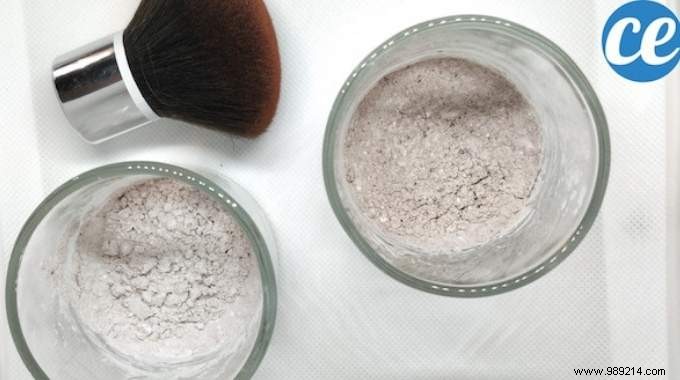
Searching for a simple, natural loose powder recipe? Commercial foundations often contain harsh chemicals that can cause tight skin, allergies, and irritation—not to mention their high cost.
Luckily, after years of experimenting with natural beauty remedies, I've perfected this 100% natural homemade loose powder foundation recipe. It's incredibly easy, uses pantry staples you likely have on hand, and delivers professional results. Here's how:
 Contents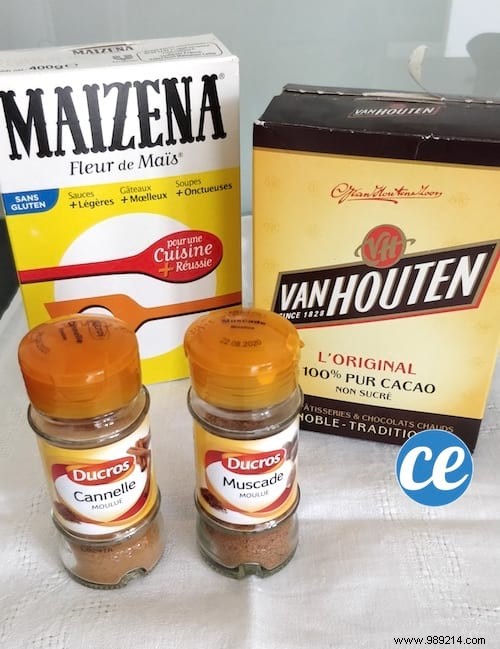
- 30 g cornstarch powder
- Cocoa powder (Van Houten style)
- Organic cinnamon
- Organic nutmeg
- Glass, ceramic, or wooden bowl
- Wooden spoon
- Powder box with lid
1. Place the cornstarch in a small bowl.
2. Add 1/4 teaspoon cocoa powder.
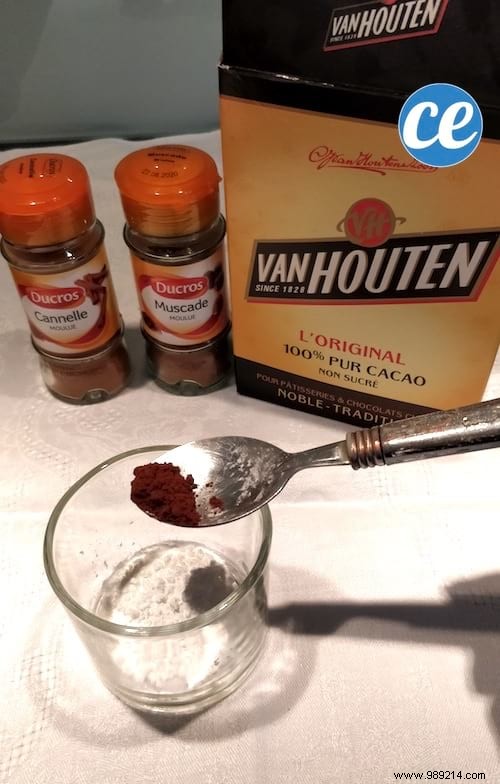
3. Mix gently with a wooden spoon.
4. Gradually add cinnamon and nutmeg, 1/4 teaspoon at a time, until you match your skin tone.
5. Stir thoroughly for even blending.
6. Transfer to a sealable powder box.
7. Apply with a large makeup brush for a seamless finish.
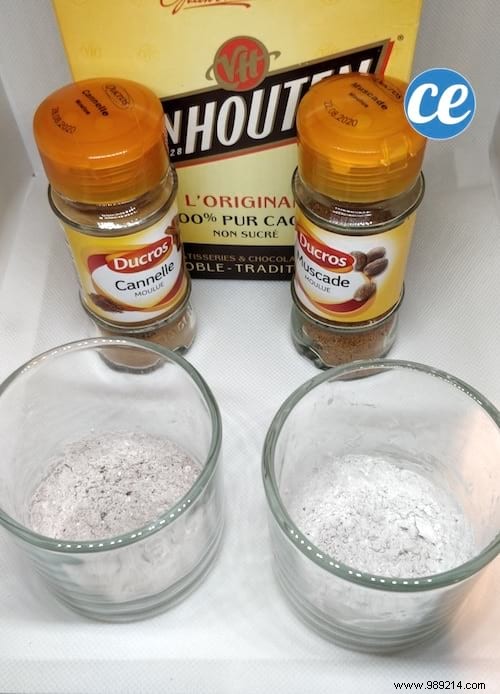
And just like that, your custom powder foundation is ready! It's quick, affordable, and delivers a healthy, radiant glow—without any chemicals.
Blend these ingredients to suit your complexion:
- Cocoa powder: Adds warmth and a pleasant scent everyone loves.
- Cinnamon: Opt for cassia over Ceylon to avoid irritation on sensitive skin.
- Nutmeg: Provides the deepest tone for richer shades.
For extra tint, incorporate a pinch of pink/orange ocher or turmeric for a sun-kissed effect. To counter cheek redness, add 1/2 teaspoon green clay—it neutralizes red tones effectively.
Always note your exact ratios for easy replication, and adjust seasonally for light or deeper coverage.
- Swap cornstarch for arrowroot powder for a brighter, more luminous base.
- Rice bran powder works well too, offering a creamier tone ideal for dry skin as it retains moisture.
- Oily skin? Mix white clay (half-and-half with arrowroot) to absorb excess sebum and mattify naturally.
The cornstarch or arrowroot base provides excellent coverage like commercial powders. Cocoa and cinnamon lend natural color and subtlety, while clays target specific concerns—green for redness, white for oil control—ensuring even, flawless skin.
