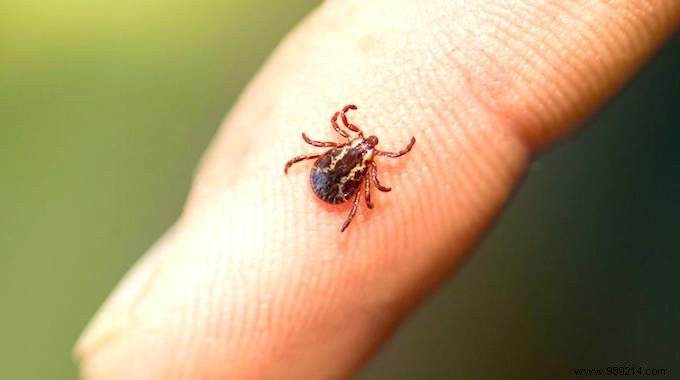
Ticks are increasingly common, posing risks after outdoor activities. They can transmit over 10 serious diseases to humans, children, and pets.
Discover the safest, evidence-based way to remove a tick without increasing infection risks.
First, steer clear of unproven internet remedies like applying nail polish or using a match to burn the tick—these can heighten disease transmission.
The proven method for safe tick removal:

- Fine-tipped tweezers
1. Grasp the tick as close to the skin's surface as possible with the tweezers.
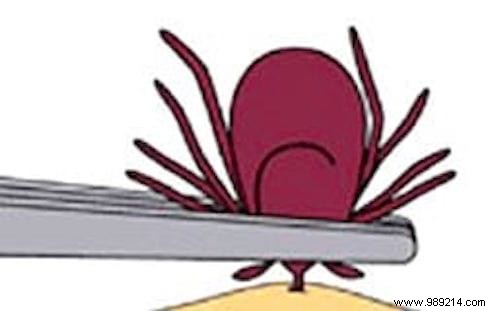
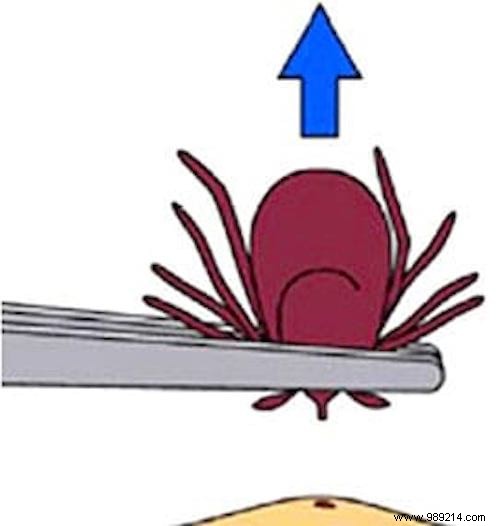
2. Gently twist the tweezers counter-clockwise and pull upward steadily, avoiding sudden jerks or squeezing the tick's abdomen—which could cause it to regurgitate microbes into your bloodstream.
3. After removal, thoroughly disinfect the bite site and your hands with alcohol or a skin antiseptic.
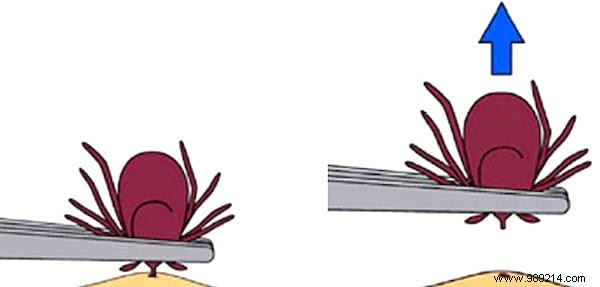
Tick removed safely—no risk to your health. Quick, simple, and effective.
Avoid unnecessary worries about disease-carrying saliva. Monitor for symptoms like rash, fever, or flu-like illness, and consult a doctor immediately if they appear—early treatment prevents complications.
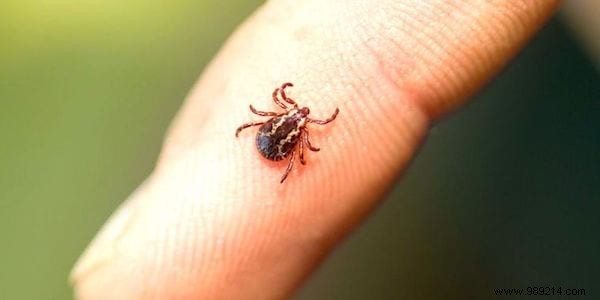
Tick-borne illnesses like Lyme disease are rising annually, partly due to misguided social media tips.
For instance, videos promoting peppermint essential oil to detach ticks—shared millions of times—contradict expert advice. Irritating the tick prompts it to regurgitate saliva laden with pathogens, elevating risks of Lyme and other diseases like Powassan encephalitis.
"Ticks carry numerous diseases in their saliva," warns Dr. Connally, Lyme prevention entomologist. "Irritating a tick increases saliva production and transmission risk."
Priority: Remove ticks swiftly using proper methods.
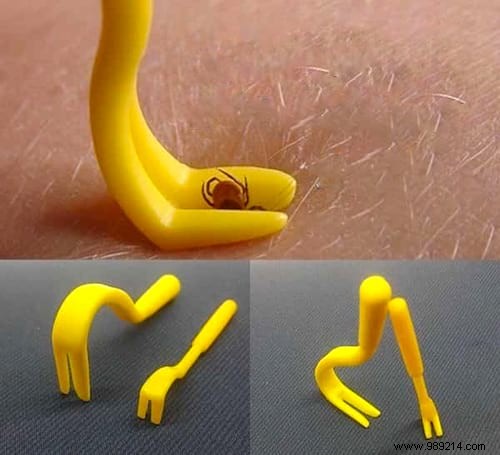
For easier removal, use a specialized tick hook or remover—compact and portable. Keep one in your first-aid kit, backpack, or car. Learn more here.
Don't discard the tick. Use the free Tick Report app (iPhone here, Android here) from France's National Institute for Agronomic Research (INRA).
Submit bite reports and mail the tick for analysis via the Citique project, aiding Lyme surveillance.

Prevention is key. Try these effective natural repellents:
- Tea Tree Repellent, recipe here.
- Rose Geranium Repellent, recipe here.
