Neuralink, a leader in brain-computer interface technology, is gearing up for human clinical trials. Initial implants target patients with spinal cord injuries, offering hope for restored mobility through thought control.
Co-founded by Elon Musk nearly five years ago, Neuralink develops advanced brain-machine interfaces. These systems record and wirelessly transmit brain signals to enable users to control devices with their thoughts alone.
Musk envisions these implants empowering paralyzed individuals to operate computers mentally—"faster than using thumbs." Potential applications include treating Alzheimer's and Parkinson's diseases, with long-term possibilities for cognitive enhancement.
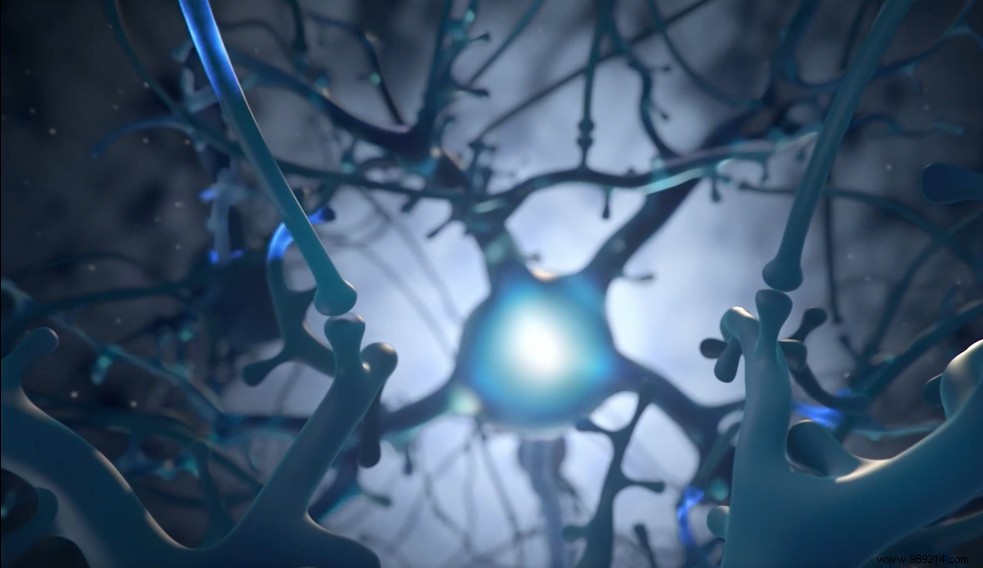
The core innovation is a chip with ultra-thin electrodes—four to six micrometers thick polymer "threads"—precisely placed by robotic systems into the brain's motor cortex. These capture neural signals, relaying them to external devices for seamless interaction.
As Musk describes it, the technology effectively replaces faulty or missing neurons with artificial circuits, bridging the gap between mind and machine.
Neuralink has already demonstrated success in animals: two electrode arrays were implanted in a primate's motor cortex to record activity during gameplay, and a sow named Gertrude walked on a treadmill. Now, the company is hiring a "Clinical Trials Director" to lead human testing.
Based in Fremont, California, the role involves collaborating with top doctors, engineers, and trial participants to build Neuralink's clinical research team and navigate regulatory challenges in a dynamic environment.
Early team members will have "the opportunity to change the world" alongside "the smartest and most talented experts" across fields, per the job posting.
Musk aims to implant the first devices this year in spinal cord injury patients, enabling them to connect brain signals to computers, communicate with loved ones, or surf the web purely through thought.
