Pursuing happiness is central to well-being and health, yet this journey rarely yields perfection, often leaving many feeling unhappy or depressed.
In his book The Enlightenment: The Pursuit of Happiness 1680-1790 (2020), British historian Ritchie Robertson argues that the Enlightenment wasn't just about elevating reason, but about using reason to pursue happiness. As he noted in a BBC Future article on January 6, 2020, this era positioned happiness as modernity's driving intellectual force—a "project" we're still chasing today. Happiness has long been seen as the ultimate good, though human values and emotions evolve over time. Values like honor and piety, once paramount, have faded for many.
Our life choices are typically guided by hope for happiness, but this obsession can breed dissatisfaction and depression. Scientific research on this intense pursuit remains limited. A 2016 U.S. survey asked participants to choose between achieving great things or simply being happy—81% opted for the latter.
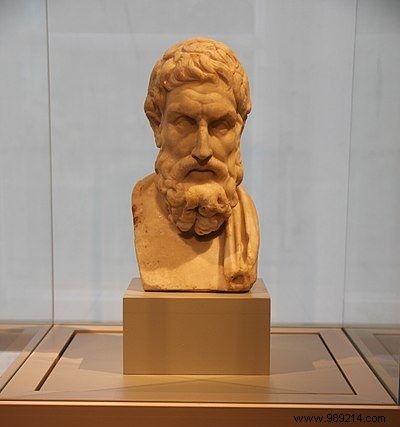
Philosophy offers deeper insights where science falls short. While some equate happiness with maximizing pleasure, alternatives exist. Greek philosopher Epicurus (341-270 BC) advocated minimizing sorrows for a peaceful life—not through constant pain, but moderation.
British philosopher John Stuart Mill (1806-1873), educated on balancing pain and pleasure, grappled with depression. His writings reveal that unhappiness is part of the human condition. He concluded it's better to pursue meaningful achievements than fleeting happiness. This aligns with Aristotle (384-322 BC), who linked true happiness to being a virtuous person.
Cultivating happiness means practicing virtues daily. Yet Aristotle acknowledged external factors like luck, illness, poverty, or war. Accepting what we can't control won't guarantee happiness, but it prevents the endless chase for an unattainable ideal.
