While some German schools have deployed air purifiers to reduce SARS-CoV-2 aerosol transmission, France's Minister of National Education has firmly opposed this approach. But is this decision backed by solid evidence?
A German study from October 2020 demonstrated that classroom air purifiers can remove 90% of aerosols from the air. On November 2, 2020, France Inter interviewed Jean-Michel Blanquer, who addressed the idea directly.
“We conducted a scientific study on these purifiers, and it was absolutely not conclusive [...]. In fact, it sometimes seems to recirculate the virus,” the Minister stated.
While Blanquer rejected purifiers, he emphasized ventilation. The Ministry cites a 2017 ANSES study (PDF in French / 176 pages), but its findings are nuanced—it does not deem all purifiers useless.
The ANSES report questions plasma, ozonation, catalysis, and photocatalysis devices for limited efficacy or risks. However, purifiers with high-efficiency HEPA filters perform effectively against SARS-CoV-2. Germany's school units rely on these, alongside stricter ventilation rules than France's.
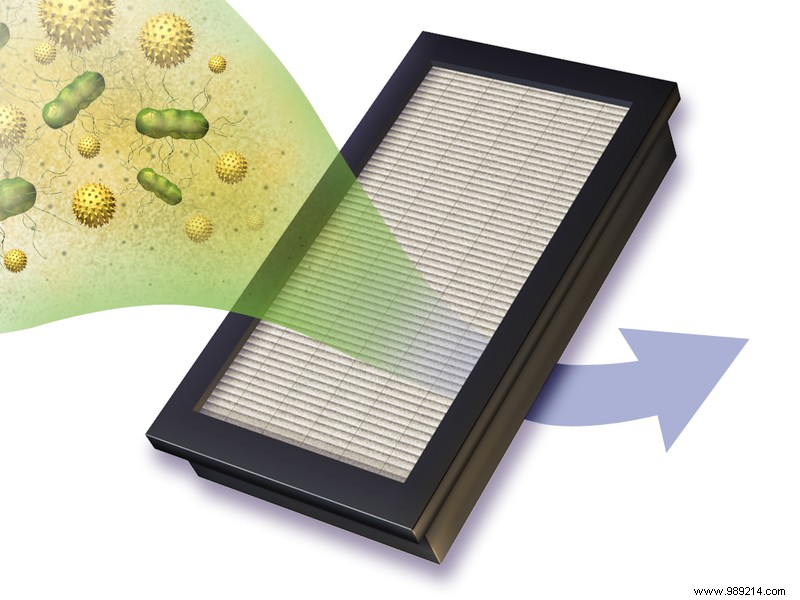
HEPA (High Efficiency Particulate Air) filters capture at least 99.97% of particles 0.3 µm or larger, certified via the DOP test. Real-world performance requires regular maintenance, as efficiency declines over time.
So why the reluctance in France? The ANSES study may have been misinterpreted, or policy avoids emulating Germany. Critically, HEPA-certified units cost hundreds to thousands of euros each, making nationwide rollout a massive budget challenge.
