If you wake up with intense headaches after just one or two glasses of wine the night before, unresponsive to paracetamol or aspirin, you may have sulfite intolerance—a condition affecting a growing number of people. This often results from a deficiency in sulfite oxidase, the enzyme that neutralizes active sulfites, or increased sensitivity to these common dietary preservatives.
Sulfites, also known as sulfur dioxide or SO2, are primarily consumed through wine, where they're used as preservatives. Bottles must state "Contains sulphites" if levels exceed 10 mg/L, though no exact quantity is required. Conventional wines (white or red) typically contain 150-200 mg/L SO2; organic wines, 100-150 mg/L; biodynamic wines, 70-90 mg/L; and natural wines, just 30-40 mg/L.
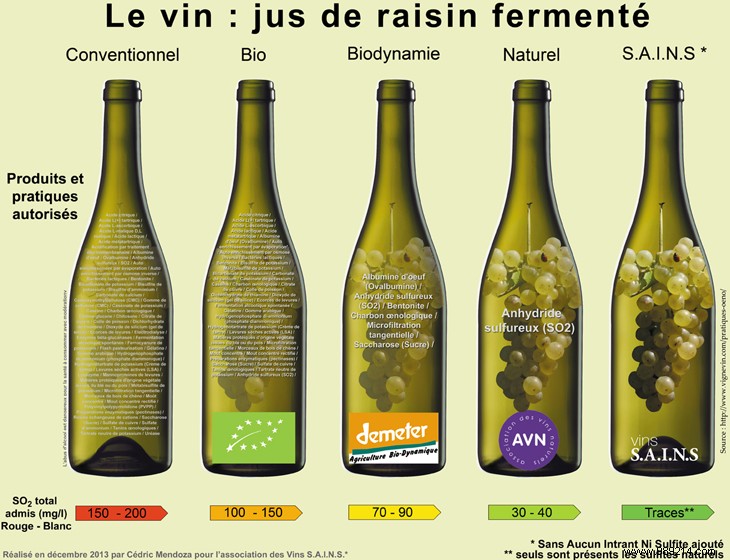
You don't need to be a heavy drinker to exceed safe limits. The WHO sets the acceptable daily intake at 0.7 mg per kg of body weight, yet two glasses of high-sulfite wine can surpass it. A 2011 Anses report noted that 3% of adults exceed this threshold.
Wine accounts for 70% of sulfite exposure, but these additives (E220-E228 across Europe) lurk in many foods: cold cuts, hamburger meat, seafood, beers, ciders, champagne, confectionery, jams, jellies, dried fruits, mashed potato flakes, cereals, muesli, sauces, ketchup, mustard, canned and frozen products, soups, small cakes, and crackers.
Headaches are the primary sign, emerging hours after intake and resisting typical pain relief.
Respiratory effects rank second, particularly aggravating pre-existing asthma.
Like allergic rhinitis, sulfites cause nasal congestion, runny nose, sneezing—even temporary loss of smell and taste—potentially progressing to nasal polyposis.

Digestive issues like diarrhea and nausea often arise, frequently misblamed on spoiled seafood, which is naturally high in sulfites and triggers abdominal pain.
Skin reactions, including eczema flare-ups and hives, are also common.
Diagnosis is tricky, as no specific allergy tests exist and many physicians are unfamiliar with it.
Treatments like antihistamines, bronchodilators, or corticosteroids are often prescribed—but beware, some contain sulfites themselves.
The most reliable solution: avoid sulfite-rich foods. With wine as the top source, switch to organic, biodynamic (Demeter or Nature & Progrès), or natural wines from groups like the Association of Natural Wines (very low sulfites) or S.A.I.N.S. (sulfite-free). These use organic grapes, minimal chemical additives, and low or no sulfites.
This intolerance can emerge at any age and seldom resolves on its own...
